An abyss is a very deep or seemingly bottomless space.
It can describe a real physical feature, such as a deep ocean area or a huge chasm, but it is also often used figuratively.
In figurative writing, an abyss may represent a vast difference, a dangerous situation, emptiness, hopelessness, or an unknown future.
Because abyss has several meanings, there is no single replacement that works in every sentence.
Chasm, void, gulf, depths, precipice, and bottomless pit can all be useful alternatives, but each creates a different image or changes the meaning slightly.
Quick Answer
The best synonyms for abyss include chasm, gulf, void, depths, bottomless pit, deep, precipice, and yawning gap. The right alternative depends on whether you mean a physical deep space, a large difference, emotional emptiness, danger, or something unknown.
Quick List of Synonys for Abyss
Closest Alternatives
- Chasm
- Gulf
- Void
- Depths
- Bottomless pit
- Deep
- Cavern
- Gorge
Figurative Alternatives
- Emptiness
- Nothingness
- Void
- Gap
- Divide
- Distance
- Separation
- Darkness
Contextual Alternatives
- Precipice
- Brink
- Pit
- Hole
- Unknown
- Deep space
- Vast divide
Formal Alternatives for Abyss
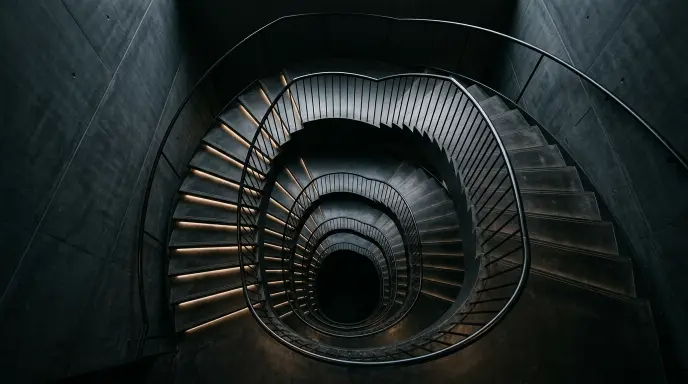
Chasm
Meaning: A very deep crack, opening, or gap in the earth.
Explanation: Chasm is one of the closest physical synonyms for abyss. It can also be used figuratively to describe a major difference between people, ideas, or groups.
Example: A deep chasm separated the two sides of the mountain.
Best Use: Geography, formal writing, literature, and figurative descriptions.
Worst Use: When referring specifically to an endless or bottomless depth.
Tone: Formal and descriptive.
Gulf
Meaning: A large gap or division.
Explanation: A gulf can refer to a geographical body of water, but it is also commonly used to describe a major difference between two groups or ideas.
Example: There is a wide gulf between their opinions.
Best Use: Formal and figurative writing.
Worst Use: When describing a literal bottomless hole.
Tone: Formal and polished.
Void
Meaning: An empty space or complete absence.
Explanation: Void is a strong alternative when abyss refers to emptiness, darkness, or nothingness. It is especially common in philosophical, scientific, and literary writing.
Example: He felt as though he were staring into a dark void.
Best Use: Literature, science fiction, and emotional writing.
Worst Use: When you specifically mean a physical crack in the ground.
Tone: Formal, dramatic, and sometimes philosophical.
Depths
Meaning: Deep or hidden areas.
Explanation: Depths is a broader alternative that focuses on extreme depth rather than an opening or hole.
Example: The creature disappeared into the depths of the ocean.
Best Use: Describing oceans, caves, darkness, or hidden places.
Worst Use: When discussing a gap between opinions or groups.
Tone: Neutral to formal.
Precipice
Meaning: A very steep cliff or dangerous situation.
Explanation: Precipice is not a direct synonym for abyss, but it can be a useful contextual alternative when the sentence emphasizes danger or the edge before a fall.
Example: The company stood on the precipice of financial collapse.
Best Use: Figurative writing about risk and danger.
Worst Use: As a direct replacement for every use of abyss.
Tone: Formal and dramatic.
Bottomless Pit
Meaning: A hole or situation that appears endless.
Explanation: This phrase strongly emphasizes endless depth. It can also describe a situation that seems impossible to escape.
Example: The cave appeared to contain a bottomless pit.
Best Use: Descriptive and dramatic writing.
Worst Use: Highly technical or scientific writing.
Tone: Dramatic.
Cavern
Meaning: A large cave or underground chamber.
Explanation: A cavern can be deep and dark, but it is not necessarily an abyss. It is a contextual alternative for physical locations.
Example: They entered a dark cavern beneath the mountain.
Best Use: Travel and descriptive writing.
Worst Use: Figurative discussions about emotional emptiness.
Tone: Neutral and descriptive.
Gorge
Meaning: A narrow valley with steep sides.
Explanation: A gorge may contain deep spaces and cliffs, but it has a more specific geographical meaning than abyss.
Example: The river flowed through a narrow gorge.
Best Use: Geography and nature writing.
Worst Use: Metaphorical uses of abyss.
Tone: Neutral and formal.
Profundity
Meaning: Great depth, especially of thought or meaning.
Explanation: Profundity is related to the idea of depth but usually refers to intellectual or emotional depth rather than a physical abyss.
Example: The speech was remembered for its profundity.
Best Use: Academic and literary writing.
Worst Use: Physical descriptions.
Tone: Highly formal.
Infinite Depth
Meaning: A depth that appears endless.
Explanation: This phrase is useful when emphasizing the seemingly limitless nature of an abyss.
Example: The darkness below seemed to have infinite depth.
Best Use: Literary and dramatic writing.
Worst Use: Everyday conversation.
Tone: Descriptive and dramatic.
Semi-Formal and Neutral Alternatives
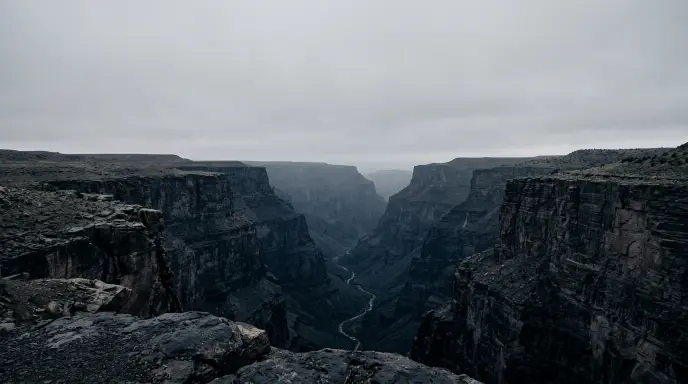
Deep
Meaning: Extending far downward.
Explanation: Deep is simpler than abyss and works when dramatic language is unnecessary.
Example: They looked into a deep hole.
Best Use: Everyday descriptions.
Worst Use: When you want the powerful figurative meaning of abyss.
Tone: Neutral.
Pit
Meaning: A deep hole in the ground.
Explanation: Pit is a narrower physical alternative. It does not always suggest enormous or endless depth.
Example: The workers discovered a deep pit near the construction site.
Best Use: Literal physical descriptions.
Worst Use: Complex emotional or philosophical writing.
Tone: Neutral.
Hole
Meaning: An opening or empty space.
Explanation: Hole is much broader and less dramatic than abyss.
Example: A large hole had formed in the ground.
Best Use: Simple everyday descriptions.
Worst Use: Literary descriptions requiring intensity.
Tone: Neutral and simple.
Gap
Meaning: An empty space or difference between things.
Explanation: Gap works well when abyss means a difference or separation rather than physical depth.
Example: There is a significant gap between the two proposals.
Best Use: Business, education, and everyday writing.
Worst Use: Literal descriptions of enormous depths.
Tone: Neutral.
Divide
Meaning: A separation or major difference.
Explanation: This is a contextual alternative for the figurative meaning of abyss.
Example: The debate revealed a growing divide between the groups.
Best Use: Social, political, and professional writing.
Worst Use: Literal physical descriptions.
Tone: Neutral to formal.
Emptiness
Meaning: The state of containing nothing.
Explanation: Emptiness works when abyss represents emotional or physical absence.
Example: After the loss, she felt a deep sense of emptiness.
Best Use: Emotional and reflective writing.
Worst Use: Describing a physical geological feature.
Tone: Neutral and emotional.
Nothingness
Meaning: The state of having no existence or substance.
Explanation: This is a more philosophical alternative to void or abyss.
Example: The story explored the idea of nothingness.
Best Use: Philosophy and literature.
Worst Use: Everyday workplace writing.
Tone: Formal and philosophical.
Brink
Meaning: The edge of a dangerous or important situation.
Explanation: Brink is useful when an abyss is imagined as something dangerous that someone is close to entering or falling into.
Example: The organization was on the brink of collapse.
Best Use: Figurative descriptions.
Worst Use: Literal descriptions of deep spaces.
Tone: Neutral to dramatic.
Darkness
Meaning: The absence of light or a state of uncertainty.
Explanation: Darkness can replace abyss only in contexts where the word represents mystery, fear, or the unknown.
Example: He stepped into the darkness.
Best Use: Literary and emotional writing.
Worst Use: Physical geographical descriptions.
Tone: Descriptive.
Informal and Casual Alternatives
Deep Hole
Meaning: A very deep opening.
Example: Be careful—that looks like a really deep hole.
When It Sounds Natural: Everyday conversation.
When to Avoid It: Formal or literary writing requiring stronger imagery.
Tone: Casual and simple.
Huge Gap
Meaning: A large difference or empty space.
Example: There is a huge gap between what we planned and what happened.
When It Sounds Natural: Casual and workplace conversations.
When to Avoid It: Literary descriptions of literal depth.
Tone: Informal-neutral.
Black Hole
Meaning: A place or situation that seems to consume everything.
Example: The project became a black hole for money.
When It Sounds Natural: Informal figurative speech.
When to Avoid It: Literal scientific writing unless discussing the astronomical object.
Tone: Informal and metaphorical.
Deep End
Meaning: A difficult or challenging situation.
Example: Starting that job felt like being thrown into the deep end.
When It Sounds Natural: Casual conversation.
When to Avoid It: As a literal synonym for an abyss.
Tone: Informal.
Never-Ending Hole
Meaning: A seemingly endless difficult situation or deep space.
Example: The repairs felt like a never-ending hole for our budget.
When It Sounds Natural: Informal descriptions.
When to Avoid It: Formal writing.
Tone: Casual and expressive.
True Synonyms vs. Contextual Alternatives
| Type | What It Means | Can It Replace “Abyss”? |
|---|---|---|
| True synonym | Very close in meaning | Often |
| Near synonym | Similar meaning with a slight difference | Sometimes |
| Contextual alternative | Works only in a specific situation | Depends |
| Broader expression | Covers a wider idea | Not always |
| Narrower expression | Has a more specific meaning | Only in suitable contexts |
Examples
- Chasm is one of the closest alternatives for a deep physical opening.
- Void works best for emptiness or nothingness.
- Gulf is especially useful for a large figurative difference.
- Pit is a narrower physical term.
- Precipice focuses on danger and an edge rather than depth itself.
Industry-Specific Usage
Business Writing
In business communication, abyss is usually used figuratively and may sound overly dramatic.
Better alternatives include:
- Gap
- Divide
- Difference
- Disconnect
Example: There is a significant gap between customer expectations and current performance.
Corporate Communication
Corporate reports generally benefit from clear and measurable language.
Instead of:
There is an abyss between the departments.
Use:
There is a significant communication gap between the departments.
This sounds clearer and more professional.
Academic Writing
Academic writing may use abyss in literature, philosophy, psychology, or cultural analysis. However, more precise terms are usually better.
Useful alternatives include:
- Void
- Chasm
- Divide
- Disparity
- Gap
Example: The study identified a substantial disparity between the two groups.
Customer Service
The word abyss is rarely appropriate in customer service communication because it can sound dramatic.
Use simpler alternatives such as:
- Gap
- Issue
- Difference
- Delay
Example: We are working to address the gap in communication.
Legal Writing
Abyss is generally not appropriate in legal writing because it lacks precise legal meaning.
Use exact language such as:
- Difference
- Separation
- Disparity
- Gap
The best wording depends on the specific legal context.
Email Communication
For professional emails, use gap, difference, disconnect, or divide when describing figurative separation.
Example:
“We identified a gap between the original requirements and the current deliverables.”
Email Examples
1. Client Communication
Subject: Project Requirements
Hello,
We noticed a significant gap between the original requirements and the latest project specifications. Could we schedule a short discussion to clarify the remaining points?
Best regards,
[Name]
2. Internal Project Update
Subject: Communication Update
Hi Team,
There appears to be a communication divide between the planning and implementation teams. Let’s review the process during our next meeting.
Thanks,
[Name]
3. Customer Service Email
Subject: Your Recent Support Experience
Hello,
We understand that there was a gap in communication regarding your request. We apologize for the confusion and are reviewing the details now.
Best regards,
[Name]
4. Academic Email
Subject: Research Topic Discussion
Hello Professor,
I would like to discuss the conceptual divide between the two theories before finalizing my research paper.
Thank you,
[Name]
5. Vendor Communication
Subject: Updated Delivery Requirements
Hello,
There appears to be a difference between the agreed delivery schedule and the current timeline. Please let us know when the updated schedule will be available.
Best,
[Name]
Short Dialogue Examples
Workplace
Person A: Why are the two teams having trouble working together?
Person B: There seems to be a major communication gap between them.
Classroom
Person A: What does the author mean by “staring into the abyss”?
Person B: It usually suggests facing something deep, unknown, frightening, or emotionally overwhelming.
Customer Service
Person A: Why wasn’t I updated about the delay?
Person B: There was a gap in communication, and we’re sorry about that.
Casual Conversation
Person A: Did you look inside the cave?
Person B: Yes, but it was so dark that it looked like a bottomless pit.
Professional Discussion
Person A: What is the biggest issue in the project?
Person B: There is a significant divide between the planned budget and the actual costs.
How to Replace “Abyss” in a Sentence
Original: They stared into the abyss.
Alternative: They stared into the deep void.
Why it works: Void preserves the feeling of darkness and emptiness.
Original: A wide abyss separated the mountains.
Alternative: A deep chasm separated the mountains.
Why it works: Chasm is a close physical synonym.
Original: There was an abyss between their opinions.
Alternative: There was a wide gulf between their opinions.
Why it works: Gulf works naturally for a major figurative difference.
Original: He felt trapped in an emotional abyss.
Alternative: He felt trapped in a deep void.
Why it works: Void emphasizes emotional emptiness.
Original: The company stood at the edge of an abyss.
Alternative: The company stood on the brink of collapse.
Why it works: The sentence becomes more precise by emphasizing danger.
Original: The creature disappeared into the abyss.
Alternative: The creature disappeared into the depths.
Why it works: Depths works well for deep water or darkness.
Original: An abyss separated the two groups.
Alternative: A major divide separated the two groups.
Why it works: Divide is better for social or ideological separation.
Original: The cave contained a dark abyss.
Alternative: The cave contained a deep bottomless pit.
Why it works: The replacement strengthens the image of extreme depth.
Comparison Table
| Phrase | Tone | Meaning / Scope | Best Use | Example |
|---|---|---|---|---|
| Chasm | Formal | Deep physical gap | Geography and literature | A chasm divided the cliffs. |
| Gulf | Formal | Large physical or figurative gap | Differences and separation | A gulf separated their views. |
| Void | Dramatic | Empty space or nothingness | Literature and philosophy | He stared into the void. |
| Depths | Neutral | Deep areas | Ocean and darkness | The ship sank into the depths. |
| Pit | Neutral | Deep hole | Literal descriptions | They found a deep pit. |
| Precipice | Dramatic | Dangerous edge | Figurative risk | The company was on a precipice. |
| Gap | Neutral | Difference or separation | Business writing | There is a gap in communication. |
| Divide | Formal-neutral | Major separation | Social or professional writing | A divide emerged between the groups. |
Which Alternative Should You Choose?
Formal Writing
Use chasm, gulf, void, or divide, depending on the meaning.
Business Communication
Use gap, difference, disconnect, or divide instead of the dramatic word abyss.
Academic Writing
Use chasm, void, disparity, or divide when the meaning requires those specific ideas.
Legal Writing
Avoid abyss. Choose precise terms that clearly describe the actual difference or separation.
Professional Email
Use gap, difference, or disconnect.
Everyday Conversation
Use deep hole, gap, pit, or huge difference.
Casual Messages
Simple alternatives usually sound more natural than abyss.
Grammar and Usage Guide
Abyss is a singular countable noun.
Examples:
- The abyss was difficult to see.
- They stood near the abyss.
The plural form is abysses.
Example:
- The story described several dark abysses beneath the earth.
Common phrases include:
- Into the abyss
- Stare into the abyss
- At the edge of the abyss
- A deep abyss
- A dark abyss
- An emotional abyss
- A vast abyss
Capitalization
Use lowercase abyss unless it begins a sentence or forms part of a proper name.
Prepositions
Common prepositions include into, above, over, near, and at the edge of.
Examples:
- He looked into the abyss.
- They stood above the abyss.
- She stepped back from the edge of the abyss.
Common Mistakes to Avoid
1. Treating Every Deep Space as an Abyss
A small deep hole is usually a pit or hole, not an abyss.
2. Using Abyss in Ordinary Business Writing
The word can sound overly dramatic in professional communication.
3. Confusing Abyss With Precipice
An abyss is a deep space, while a precipice is a steep edge or cliff.
4. Using Void as a Perfect Synonym
A void focuses more on emptiness or absence.
5. Using Gulf for Every Physical Situation
Gulf often works better for figurative differences or bodies of water.
6. Ignoring Tone
Abyss can sound literary, serious, or dramatic.
7. Using Casual Alternatives in Formal Writing
Phrases such as huge hole may sound too informal.
8. Using the Wrong Metaphor
Make sure the alternative matches the intended image of depth, danger, emptiness, or separation.
When Not to Use “Abyss”
Avoid abyss when:
- A simpler word such as hole or gap is clearer.
- The writing is professional and the word sounds too dramatic.
- You need to describe an exact physical feature.
- You mean a measurable difference rather than an emotional or dramatic separation.
- The audience may misunderstand the figurative meaning.
However, abyss is an excellent choice in literature, dramatic descriptions, philosophical writing, and situations involving extreme depth, emptiness, fear, or the unknown.
Advanced Writer Tips
Tone Control
Use abyss for dramatic or literary language. Use gap for neutral professional writing and chasm for strong descriptive writing.
Professional Email Etiquette
Avoid dramatic metaphors unless they serve a clear purpose. Direct language is usually more effective.
Politeness
Replacing emotionally intense language with neutral alternatives can make professional messages sound calmer.
For example:
Dramatic: There is an abyss between our expectations.
Professional: There is a significant gap between our expectations.
Context Alignment
Think about whether you are describing:
- Physical depth
- Emotional emptiness
- A major difference
- Danger
- The unknown
The correct alternative depends on the answer.
Precision
Use chasm for a physical gap, void for emptiness, gulf for a large difference, and precipice for danger near an edge.
Readability
In everyday writing, simpler words such as gap or deep hole may communicate the idea more clearly.
Related Questions
What Is Another Word for Abyss?
Common alternatives include chasm, void, gulf, depths, pit, and bottomless pit.
What Is a Formal Synonym for Abyss?
Chasm, gulf, and void are useful formal alternatives, depending on the intended meaning.
What Is a Professional Alternative to Abyss?
In professional writing, gap, difference, divide, or disparity is often more appropriate.
Is Void the Same as Abyss?
Not exactly. A void emphasizes emptiness or nothingness, while an abyss usually suggests extreme depth or a vast, frightening space.
Can Chasm Replace Abyss?
Often, especially when describing a deep physical gap. However, abyss may suggest greater depth or a more dramatic sense of endlessness.
FAQs
What is the closest synonym for abyss?
Chasm is one of the closest synonyms when describing a deep physical opening. Void is often closer when the meaning involves emptiness, darkness, or nothingness.
What is the opposite of abyss?
Depending on the context, possible opposites include surface, height, peak, or summit. There is no single opposite because abyss has several meanings.
Can abyss be used figuratively?
Yes. Abyss is commonly used figuratively to describe emotional despair, a major difference, danger, or something deeply unknown.
Is abyss a formal word?
Abyss is not limited to formal writing, but it has a literary and dramatic quality. It is more expressive than simple alternatives such as hole or gap.
What is the difference between abyss and chasm?
An abyss often suggests extreme or seemingly endless depth. A chasm is generally a deep physical crack or gap.
What is the difference between abyss and void?
An abyss focuses mainly on depth, while a void focuses on emptiness or the absence of something.
Can I use gulf instead of abyss?
You can in some figurative contexts, especially when describing a major difference between people, opinions, or groups. It is not always suitable for describing a deep physical space.
Key Takeaways
- Chasm is one of the closest alternatives for a deep physical opening.
- Void works best when the meaning involves emptiness or nothingness.
- Gulf and divide are useful for major figurative differences.
- Gap is often the clearest choice in business and professional writing.
- The best alternative depends on whether abyss means depth, emptiness, danger, or separation.
Conclusion
The word abyss carries a powerful sense of extreme depth, darkness, emptiness, or separation. That makes it useful in literature and dramatic writing, but it also means that its alternatives are not always interchangeable. Chasm is a strong choice for a deep physical gap, void works for emptiness and nothingness, and gulf or divide can describe major figurative differences. In professional writing, simpler terms such as gap, difference, or disparity are often clearer.
Before replacing abyss, consider what the sentence is really describing. Is it physical depth, emotional emptiness, danger, or separation? Once you identify the exact meaning and desired tone, choosing the right alternative becomes much easier.
SEO Title
30+ Synonyms for Abyss: Powerful Alternatives and Examples
Meta Description
Discover the best synonyms for abyss, including chasm, void, gulf, and more. Learn meanings, examples, tone differences, and the right usage.
URL Slug
synonyms-ccc-abyss
Internal Link Opportunities
Anchor Text: Synonyms for Deep
Suggested Article: Synonyms for Deep: Better Alternatives for Every Context
Why It Fits: Readers interested in abyss may also search for vocabulary related to depth.
Anchor Text: Synonyms for Void
Suggested Article: Synonyms for Void: Meaning, Alternatives, and Examples
Why It Fits: Void is a closely related word with important meaning differences.
Anchor Text: Synonyms for Gap
Suggested Article: Synonyms for Gap: Professional and Everyday Alternatives
Why It Fits: Gap is a useful professional alternative in many figurative contexts.
Anchor Text: Synonyms for Darkness
Suggested Article: Synonyms for Darkness: Powerful Words and Expressions
Why It Fits: Darkness is strongly connected with the literary meaning of abyss.
Anchor Text: Synonyms for Difference
Suggested Article: Better Words for Difference
Why It Fits: A figurative abyss can represent a major difference or separation.
Anchor Text: Synonyms for Empty
Suggested Article: Synonyms for Empty: Better Words for Every Situation
Why It Fits: The idea of emptiness connects naturally with void and abyss.
Anchor Text: Synonyms for Danger
Suggested Article: Synonyms for Danger: Formal and Everyday Alternatives
Why It Fits: Figurative uses of abyss often suggest risk or a dangerous situation.
Anchor Text: Improve Your English Vocabulary
Suggested Article: Practical Ways to Improve Your English Vocabulary
Why It Fits: Readers searching for synonyms may also want broader vocabulary resources.