The word jewel usually refers to a precious or valuable stone, such as a diamond, ruby, sapphire, or emerald. It can also describe a beautifully crafted piece of jewelry or, in a figurative sense, a person or thing considered exceptionally valuable or admired.
Because the word has both literal and figurative meanings, the best synonym depends heavily on context.
You may be looking for another word for jewel to improve a description, avoid repetition, write product copy, describe a person, or create more vivid prose. Words such as gem, gemstone, precious stone, ornament, treasure, and decorative piece can work in different situations, but they are not always interchangeable.
This guide explains their differences so you can choose a word that fits your exact meaning, tone, and audience.
Quick Answer
The closest synonym for jewel is gem, especially when referring to a valuable or attractive precious stone. Other alternatives include gemstone, precious stone, treasure, ornament, adornment, bauble, and trinket. In figurative writing, treasure, prize, pearl, or crown jewel may better express something or someone considered exceptionally valuable.
Quick List: Synonyms for Jewel
Closest Alternatives
- Gem
- Gemstone
- Precious stone
- Precious gem
- Stone
- Treasure
- Ornament
- Adornment
- Decoration
- Jewelry piece
Formal or Elegant Alternatives
- Precious gem
- Precious stone
- Adornment
- Ornament
- Talisman
- Heirloom
- Finery
- Parure
- Jewelery? No — jewelry is the standard American spelling
Figurative Alternatives
- Treasure
- Prize
- Pearl
- Crown jewel
- Highlight
- Standout
- Gem
- Masterpiece
Casual Alternatives
- Gem
- Trinket
- Bauble
- Sparkler
- Fancy piece
Some alternatives are only appropriate in particular contexts. For example, bauble can suggest inexpensive or showy jewelry, while treasure emphasizes value rather than the physical object itself.
Formal Alternatives to Jewel
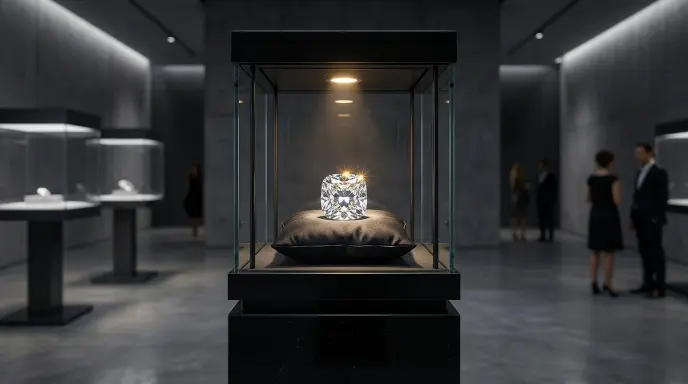
Gemstone
Meaning: A mineral or other natural material that is cut, polished, and used as a decorative stone.
Explanation: Gemstone is one of the most useful alternatives when you specifically mean a stone used in jewelry. It is broader and more technical than jewel.
Example:
“The necklace features a rare blue gemstone.”
Best Use: Jewelry descriptions, educational writing, mineralogy, product descriptions, and formal prose.
Worst Use: When you mean an entire piece of jewelry rather than the stone itself.
Tone: Neutral, precise, and professional.
Precious Stone
Meaning: A valuable gemstone, traditionally including diamonds, rubies, sapphires, and emeralds.
Explanation: This phrase focuses specifically on the value and status of the stone.
Example:
“The ring was decorated with several precious stones.”
Best Use: Jewelry writing, luxury descriptions, and formal prose.
Worst Use: When the object is inexpensive or when you mean jewelry as a whole.
Tone: Formal and elegant.
Precious Gem
Meaning: A valuable and attractive gemstone.
Explanation: Precious gem combines the ideas of beauty, rarity, and value. It can sound more polished than simply saying jewel.
Example:
“The collector displayed the precious gem under carefully controlled lighting.”
Best Use: Luxury writing, jewelry descriptions, and descriptive prose.
Worst Use: Technical writing where gemstone is more precise.
Tone: Elegant and formal.
Adornment
Meaning: Something used to decorate or enhance appearance.
Explanation: An adornment can be a jewel, but it does not have to be. It can refer to jewelry, clothing decorations, accessories, or other decorative objects.
Example:
“The necklace served as a striking adornment for the evening gown.”
Best Use: Formal descriptions, fashion writing, historical writing, and literature.
Worst Use: When you specifically need to identify a gemstone.
Tone: Formal and refined.
Ornament
Meaning: An object used for decoration.
Explanation: An ornament can refer to jewelry, but its meaning is much broader. It may describe decorative objects used on clothing, buildings, trees, or other items.
Example:
“The jeweled ornament was passed down through several generations.”
Best Use: Formal and descriptive writing.
Worst Use: When the item is specifically a precious stone.
Tone: Formal and descriptive.
Heirloom
Meaning: A valuable object passed from one generation to another.
Explanation: An heirloom is not technically a synonym for jewel. It becomes a suitable contextual alternative when the jewel has been inherited.
Example:
“She wore her grandmother’s diamond necklace as a family heirloom.”
Best Use: Family history, personal stories, and sentimental descriptions.
Worst Use: A newly purchased jewel with no history of inheritance.
Tone: Warm, sentimental, and formal.
Talisman
Meaning: An object believed to bring protection, luck, or another special benefit.
Explanation: A jewel may function as a talisman, but the word emphasizes its symbolic or protective purpose rather than its beauty or monetary value.
Example:
“He wore the jeweled talisman around his neck.”
Best Use: Historical, cultural, fantasy, and literary writing.
Worst Use: Ordinary jewelry descriptions where no symbolic purpose exists.
Tone: Literary and specialized.
Finery
Meaning: Expensive or attractive clothing, jewelry, or accessories.
Explanation: Finery can include jewels but refers to a broader collection of decorative or luxurious items.
Example:
“She arrived dressed in elegant finery.”
Best Use: Fashion writing, historical descriptions, and literary prose.
Worst Use: When referring to one specific gemstone.
Tone: Elegant and somewhat literary.
Parure
Meaning: A matching set of jewelry, traditionally including several coordinated pieces.
Explanation: This is a specialized jewelry term rather than a direct synonym for jewel.
Example:
“The royal collection included an elaborate diamond parure.”
Best Use: Jewelry history, museum descriptions, luxury writing, and specialist contexts.
Worst Use: Everyday writing where the audience may not recognize the term.
Tone: Highly formal and specialized.
Jewelry Piece
Meaning: An individual item of jewelry.
Explanation: This phrase is useful when jewel refers to an object such as a ring, necklace, bracelet, or brooch rather than the stone itself.
Example:
“The antique jewelry piece was carefully restored.”
Best Use: Product descriptions and general writing.
Worst Use: When you specifically mean a gemstone.
Tone: Neutral and professional.
Semi-Formal and Neutral Alternatives
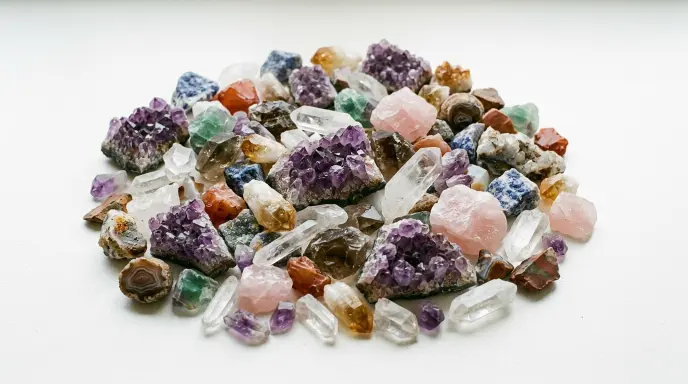
Gem
Meaning: A valuable or attractive precious stone.
Explanation: This is generally the closest everyday synonym for jewel. It can also be used figuratively for something excellent.
Example:
“She wore a small emerald gem on a silver chain.”
Best Use: General writing, conversation, literature, and descriptions.
Worst Use: Highly technical contexts requiring precise mineral terminology.
Tone: Neutral, elegant, and versatile.
Stone
Meaning: A solid mineral material.
Explanation: Stone is broader than jewel. It works when the surrounding context already makes it clear that the stone is precious.
Example:
“The ring contains a deep-red stone.”
Best Use: Simple descriptions.
Worst Use: Luxury copy where greater precision is needed.
Tone: Neutral.
Treasure
Meaning: Something highly valuable, precious, or cherished.
Explanation: Treasure works particularly well when jewel is being used figuratively.
Example:
“She considered the necklace a family treasure.”
Best Use: Figurative descriptions and sentimental writing.
Worst Use: Technical descriptions of gemstones.
Tone: Warm and expressive.
Decoration
Meaning: Something added to make an object more attractive.
Explanation: A jewel may serve as a decoration, but this term does not imply that it is precious.
Example:
“The jeweled decoration added detail to the costume.”
Best Use: General descriptive writing.
Worst Use: When monetary or emotional value is important.
Tone: Neutral.
Highlight
Meaning: The most noticeable or attractive part of something.
Explanation: This is a figurative alternative. It works when jewel means the standout feature of a collection, place, event, or work.
Example:
“The museum’s crown is the highlight of the exhibition.”
Best Use: Reviews, travel writing, and descriptive articles.
Worst Use: Literal jewelry descriptions.
Tone: Neutral and polished.
Standout
Meaning: A person or thing that is noticeably better or more impressive than others.
Explanation: Standout can replace figurative uses of jewel when emphasizing distinction rather than beauty alone.
Example:
“The historic theater is a standout feature of the city.”
Best Use: Reviews, business writing, and modern informal prose.
Worst Use: Formal jewelry descriptions.
Tone: Modern and conversational.
Prize
Meaning: Something especially valuable, desirable, or worth winning.
Explanation: A jewel can be a prize, but this word emphasizes desirability and value.
Example:
“The necklace became the prize of the collector’s private collection.”
Best Use: Figurative writing and descriptions of valuable objects.
Worst Use: Ordinary jewelry references.
Tone: Neutral.
Masterpiece
Meaning: An exceptionally skillful or impressive creation.
Explanation: This is not a literal synonym for jewel. It works when a jewel refers figuratively to an exceptionally beautiful work of art or craftsmanship.
Example:
“The handcrafted necklace is a masterpiece of modern jewelry design.”
Best Use: Art, luxury, design, and reviews.
Worst Use: Basic descriptions of ordinary jewelry.
Tone: Strong and admiring.
Pearl
Meaning: A valuable gem formed inside certain mollusks; figuratively, something precious or beautiful.
Explanation: Pearl is only a literal synonym when the jewel is actually a pearl. Figuratively, it can describe a person, idea, or piece of wisdom considered precious.
Example:
“The old library is a pearl of the historic district.”
Best Use: Literal pearl jewelry or poetic figurative writing.
Worst Use: Generic gemstone descriptions where the material is unknown.
Tone: Elegant and literary.
Crown Jewel
Meaning: A particularly valuable or important person or thing within a larger group.
Explanation: Literally, crown jewels are royal or ceremonial valuables. Figuratively, crown jewel means the most prized part of something.
Example:
“The research center is the university’s crown jewel.”
Best Use: Figurative descriptions and high-value contexts.
Worst Use: Ordinary objects where the elevated comparison would sound exaggerated.
Tone: Strong, prestigious, and expressive.
Informal and Casual Alternatives
Trinket
Meaning: A small decorative object, often of relatively little monetary value.
Example:
“She bought a small trinket as a souvenir.”
When It Sounds Natural: Casual descriptions of inexpensive jewelry or small decorative objects.
When to Avoid It: When describing an expensive diamond, rare gemstone, or luxury jewelry.
Tone: Casual and sometimes dismissive.
Bauble
Meaning: A small decorative object or piece of jewelry, often suggesting something showy or inexpensive.
Example:
“The shop window was filled with colorful baubles.”
When It Sounds Natural: Informal, playful, or slightly critical descriptions.
When to Avoid It: Formal luxury jewelry writing.
Tone: Casual, playful, sometimes dismissive.
Sparkler
Meaning: Informally, a shiny or impressive piece of jewelry, especially a diamond.
Example:
“She showed everyone the new sparkler on her finger.”
When It Sounds Natural: Casual conversation about rings or diamonds.
When to Avoid It: Academic, legal, or highly formal writing.
Tone: Playful and informal.
Fancy Piece
Meaning: An attractive or stylish piece of jewelry.
Example:
“He bought her a fancy piece for their anniversary.”
When It Sounds Natural: Everyday conversation.
When to Avoid It: Professional product descriptions requiring precise terminology.
Tone: Casual.
Little Gem
Meaning: A small, attractive, or valuable object; also used figuratively.
Example:
“That little café is a gem.”
When It Sounds Natural: Conversations, reviews, and informal writing.
When to Avoid It: Technical gemstone descriptions.
Tone: Friendly and conversational.
True Synonyms vs. Contextual Alternatives
| Type | What It Means | Can It Replace “Jewel”? |
|---|---|---|
| True synonym | A word with essentially the same core meaning | Gem often can |
| Near synonym | Similar meaning with a slight difference | Gemstone, precious stone |
| Contextual alternative | Works only in certain situations | Heirloom, treasure |
| Broader expression | Covers more objects or meanings | Ornament, decoration |
| Narrower expression | Refers to a specific kind of jewel | Pearl, diamond, ruby |
The most important distinction is between gem and broader words such as ornament. A gem specifically suggests a valuable or attractive stone, while an ornament may be made from almost any material.
Likewise, treasure is usually contextual rather than literal. A jewel can be a treasure, but so can a painting, book, photograph, or family keepsake.
Industry-Specific Usage
Business Writing
Business writing may use jewel metaphorically to describe an especially valuable asset.
Example:
“The historic property is considered one of the company’s most valuable assets.”
Instead of repeatedly calling an asset a “jewel,” alternatives such as valuable asset, standout asset, or key asset may provide greater precision.
Corporate Communication
Corporate communication generally benefits from clear, literal language.
Instead of:
“This project is a jewel in our portfolio.”
You could write:
“This project is one of the strongest assets in our portfolio.”
The second version is more direct and less figurative.
Academic Writing
Academic writing should usually avoid decorative metaphors unless the subject is literature, art, culture, or history.
For a gemstone, gemstone, precious stone, or the specific mineral name is generally more precise.
Example:
“The artifact contains a polished emerald.”
This is clearer than:
“The artifact contains a beautiful jewel.”
Customer Service
Customer service language should be clear and positive.
Example:
“This necklace features a genuine sapphire centerpiece.”
This is more useful to a customer than simply calling the centerpiece a “jewel.”
Legal Writing
Legal documents generally require precise identification rather than expressive alternatives.
Instead of:
“The jewel was transferred to the beneficiary.”
A legal document may need to identify the item specifically:
“The diamond ring described in Schedule A was transferred to the beneficiary.”
The exact terminology required depends on the document and jurisdiction.
Email Communication
In professional emails, jewel can sound figurative or overly decorative unless you are discussing jewelry, art, or a specific valuable object.
For business communication, terms such as valuable asset, highlight, key feature, or standout item may be clearer.
Email Examples
1. Jewelry Customer Email
Subject: Details About Your Emerald Necklace
Dear Sarah,
Thank you for your interest in the emerald necklace. The centerpiece is a natural emerald set in sterling silver, with smaller stones surrounding it.
Please let us know if you would like additional details about the piece.
Best regards,
Customer Service Team
2. Client Project Update
Subject: Project Highlight
Hi Daniel,
I wanted to share the latest version of the presentation. The market analysis section is the highlight of the updated deck because it brings the main findings together clearly.
Best,
Michael
3. Museum Communication
Subject: Featured Gemstone in the Exhibition
Dear Ms. Carter,
The exhibition’s featured gemstone is a nineteenth-century sapphire that has been preserved as part of the museum’s permanent collection.
We would be happy to provide additional information about its history.
Sincerely,
Anna
4. Internal Workplace Email
Subject: Key Asset for the New Campaign
Hi Team,
The customer case study will be a key asset in the upcoming campaign. It gives us a clear example of how the product is being used successfully.
Thanks,
James
5. Academic Email
Subject: Question About the Historical Artifact
Dear Professor Wilson,
I am researching the jeweled artifact discussed in class and would like to learn more about its cultural significance. Could you recommend a reliable source for further reading?
Best regards,
Emma
Short Dialogue Examples
Workplace
Person A: What is the strongest part of the new campaign?
Person B: The customer story. I think it will be the highlight of the presentation.
Classroom
Person A: What should I call the stone in my assignment?
Person B: If you know it is a gemstone, “gemstone” is more precise than simply saying “jewel.”
Jewelry Store
Person A: Is this a real diamond?
Person B: Yes. The center stone is a natural diamond set in platinum.
Casual Conversation
Person A: Did you see her new ring?
Person B: Yes, that little sparkler really stands out.
Professional Discussion
Person A: Which property is most important to the company?
Person B: The downtown building is considered one of its crown jewels.
How to Replace “Jewel” in a Sentence
1. Literal gemstone
Original:
“The ring contains a beautiful jewel.”
Alternative:
“The ring contains a beautiful gemstone.”
Why it works: Gemstone is more precise when referring to the actual stone.
2. Precious stone
Original:
“The necklace was decorated with several jewels.”
Alternative:
“The necklace was decorated with several precious stones.”
Why it works: The alternative emphasizes the stones rather than the jewelry itself.
3. Figurative value
Original:
“The library is a jewel of the neighborhood.”
Alternative:
“The library is a treasure of the neighborhood.”
Why it works: Treasure preserves the figurative idea of something highly valued.
4. Standout feature
Original:
“The cathedral is a jewel of the city.”
Alternative:
“The cathedral is a highlight of the city.”
Why it works: Highlight focuses on its importance or appeal rather than literal preciousness.
5. Inherited jewelry
Original:
“She treasured the jewel from her grandmother.”
Alternative:
“She treasured the heirloom from her grandmother.”
Why it works: Heirloom emphasizes the object’s family history.
6. Decorative use
Original:
“The jewel added beauty to the costume.”
Alternative:
“The ornament added beauty to the costume.”
Why it works: Ornament focuses on decoration rather than monetary value.
7. Luxury description
Original:
“The jewel was the centerpiece of the collection.”
Alternative:
“The precious gem was the centerpiece of the collection.”
Why it works: Precious gem gives the sentence a more specific luxury tone.
8. Casual description
Original:
“She showed us her new jewel.”
Alternative:
“She showed us her new sparkler.”
Why it works: Sparkler gives the sentence a playful, conversational tone and is especially natural for a shiny ring.
Comparison Table
| Phrase | Tone | Meaning / Scope | Best Use | Example |
|---|---|---|---|---|
| Gem | Neutral | Valuable or attractive stone | General writing | “The gem caught the light.” |
| Gemstone | Precise | Stone used as a gem | Jewelry descriptions | “The gemstone is an emerald.” |
| Precious stone | Formal | Valuable gemstone | Luxury writing | “The ring contains precious stones.” |
| Adornment | Formal | Decorative object | Fashion | “The necklace was an elegant adornment.” |
| Ornament | Formal | Decorative item | Art and design | “The ornament decorated the gown.” |
| Treasure | Figurative | Highly valued thing | Personal writing | “The necklace was a family treasure.” |
| Heirloom | Sentimental | Inherited valuable | Family history | “The ring became an heirloom.” |
| Pearl | Specific | Pearl gemstone | Jewelry/literature | “The pearl necklace was elegant.” |
| Crown jewel | Figurative | Most valuable part | Business/descriptive writing | “The museum is the crown jewel.” |
| Trinket | Casual | Small decorative item | Everyday speech | “She bought a trinket.” |
| Bauble | Casual | Small/showy ornament | Informal writing | “The shop sold colorful baubles.” |
| Sparkler | Informal | Shiny jewelry, often a diamond | Conversation | “Her new sparkler was beautiful.” |
Which Alternative Should You Choose?
For Formal Writing
Choose gemstone, precious stone, adornment, or precious gem, depending on what you mean.
For Business Communication
Use valuable asset, key feature, highlight, or standout for figurative uses.
For Academic Writing
Prefer gemstone, a specific mineral name such as diamond or emerald, or another precise term.
For Legal Writing
Use the exact description of the item. Avoid relying on figurative terms such as jewel or treasure when precision matters.
For Professional Email
Use gemstone, jewelry piece, highlight, or key feature, depending on context.
For Everyday Conversation
Gem, jewel, treasure, and sparkler can all work naturally in suitable contexts.
For Casual Messages
Gem, little gem, sparkler, and trinket can work, but each has a slightly different tone.
Grammar & Usage Guide
Is “Jewel” a Noun?
Yes. Jewel is primarily a noun.
Example:
“The jewel was displayed in a glass case.”
Singular and Plural
The singular form is jewel.
The plural is jewels.
Examples:
- “The jewel was expensive.”
- “The jewels were displayed together.”
Jewel vs. Jewelry
These words should not be treated as exact equivalents.
Jewel usually refers to a valuable stone or, depending on context, a single valuable decorative object.
Jewelry refers collectively to decorative items worn on the body, such as rings, necklaces, bracelets, and earrings.
Example:
“The ring contains a rare jewel.”
But:
“She sells handmade jewelry.”
Jewel vs. Gem
These words overlap significantly.
Gem commonly refers to a precious or attractive stone and can also be used figuratively.
Jewel can refer to a gem, a piece of jewelry, or something metaphorically precious.
Jewel as a Figurative Noun
English often uses jewel metaphorically.
Example:
“The small restaurant is a jewel of the neighborhood.”
Here, jewel does not mean a literal gemstone. It means something unusually valuable, attractive, or special.
Capitalization
The word jewel is normally lowercase unless it begins a sentence or appears in a proper name.
Correct:
“The jewel was displayed carefully.”
Common Mistakes to Avoid
1. Calling Every Alternative an Exact Synonym
Treasure, ornament, and heirloom have meanings that differ from jewel. Use them only when the context supports the change.
2. Confusing Jewel With Jewelry
A jewel and jewelry are not always the same thing. One often refers to a stone or individual valuable object, while the other refers collectively to wearable decorative items.
3. Using “Stone” Too Broadly
Not every stone is a jewel. If the material is valuable or used as a gem, gemstone is more precise.
4. Calling a Cheap Item a Precious Gem
The phrase precious gem implies value and quality. It can be misleading if the object is merely decorative.
5. Using “Bauble” for Luxury Jewelry
Bauble can imply that something is inexpensive, showy, or of little importance.
6. Using “Sparkler” in Formal Writing
Sparkler is informal. It can sound inappropriate in academic, legal, or highly professional writing.
7. Overusing Figurative Language
Calling every successful product or person a “jewel” can make business writing sound exaggerated.
8. Choosing a Word Without Considering Context
A word that works beautifully in a novel may sound strange in a technical report. Always consider audience and purpose.
When Not to Use “Jewel”
There are situations where another word may be clearer.
When You Need Technical Precision
Use gemstone or the specific stone’s name.
When Referring to Jewelry Collectively
Use jewelry, not jewel.
When Describing Decoration
Use ornament, decoration, or adornment when monetary value is not important.
When Discussing an Inherited Object
Use heirloom if its family history is central.
When Writing Legal Documents
Use a precise description of the actual item rather than a broad or figurative term.
When Writing Scientific or Educational Content
Use the appropriate mineral or gemstone terminology.
When You Mean a Standout Feature
Use highlight, standout, or key feature if the figurative comparison feels too decorative.
When “Jewel” Is Actually Better
Keep jewel when you want a concise, elegant word that conveys beauty and value. It is particularly effective in literary descriptions, jewelry writing, and figurative expressions.
Advanced Writer Tips
Tone Control
For a refined tone, use precious gem, adornment, or gemstone.
For a conversational tone, use gem or sparkler.
For a sentimental tone, use treasure or heirloom.
Professional Email Etiquette
In professional messages, avoid exaggerated descriptions unless the subject genuinely involves luxury, art, or jewelry. A specific description is usually more useful.
Instead of:
“This is a jewel of a project.”
Try:
“This is one of the strongest projects in our current portfolio.”
Politeness
When describing someone’s possession, treasure can sound warmer than a purely commercial term.
For example:
“I understand why this necklace is such a treasure to your family.”
This recognizes emotional value rather than focusing only on price.
Context Alignment
Ask what jewel means in the sentence:
- A gemstone?
- A piece of jewelry?
- A valuable possession?
- An inherited object?
- A standout person or place?
- A decorative object?
The answer determines the best replacement.
Precision
If you know the actual stone, use its name.
Instead of:
“The ring contains a jewel.”
Use:
“The ring contains a sapphire.”
Specific nouns usually create clearer writing.
Readability
Simple words often work best. Gem is easier for most readers than specialized words such as parure.
Use specialized vocabulary only when it adds useful information.
Related Questions
What is another way to say jewel?
Gem is the closest everyday alternative. Depending on context, you can also use gemstone, precious stone, precious gem, ornament, adornment, treasure, or heirloom.
What is a professional alternative to jewel?
For a literal stone, gemstone or precious stone is usually more professional. For figurative uses, valuable asset, key feature, or standout may be clearer.
What is a formal alternative to jewel?
Precious gem, gemstone, precious stone, and adornment are suitable formal alternatives, although each has a slightly different meaning.
What can I use instead of jewel in a sentence?
Choose based on context. Use gemstone for a stone, adornment for decoration, heirloom for an inherited object, treasure for something cherished, and highlight for a standout feature.
Is jewel a formal word?
Jewel is a standard English word that can work in formal and informal writing. Its appropriateness depends more on context than formality. Technical writing may require a more precise term such as gemstone.
Can I use gem instead of jewel?
Often, yes. Gem is one of the closest alternatives to jewel, especially when referring to a valuable or attractive stone. However, jewel can have broader figurative and jewelry-related meanings.
What is the difference between jewel and gemstone?
A gemstone specifically refers to a stone or mineral used as a gem. Jewel can refer to a gemstone but may also describe a valuable piece of jewelry or something figuratively precious.
FAQs
What is the closest synonym for jewel?
The closest general synonym for jewel is gem. Both can describe a valuable or beautiful precious stone. However, jewel can also refer to a valuable decorative object or something figuratively precious, so gem does not replace it in every context.
What is a more formal word for jewel?
Gemstone, precious stone, and precious gem are useful formal alternatives when referring to a valuable stone. Adornment can work when the focus is on decorative use rather than the stone itself.
What is another word for a beautiful jewel?
Depending on the context, you could use precious gem, fine gemstone, treasure, or sparkler. Precious gem is formal, treasure is figurative and sentimental, while sparkler is casual.
Is gem the same as jewel?
The words overlap but are not perfectly identical. A gem generally refers to a precious or attractive stone, while jewel can refer to a gem, a valuable decorative object, or something figuratively considered precious.
What is a synonym for jewel in a figurative sense?
Treasure, pearl, highlight, standout, prize, and crown jewel can work figuratively. The best choice depends on whether you want to emphasize emotional value, excellence, importance, or distinction.
What is a synonym for a small piece of jewelry?
Depending on the item, you could use trinket, bauble, ornament, jewelry piece, or adornment. Trinket and bauble often suggest something small and inexpensive, while adornment is more formal.
What word describes the most valuable item in a collection?
Crown jewel is a strong figurative expression for the most valuable or important item in a collection. In straightforward professional writing, most valuable asset, highlight, or key item may be more precise.
Key Takeaways
- Gem is the closest general alternative to jewel when referring to a valuable or attractive stone.
- Gemstone is more precise and works especially well in professional, educational, and jewelry-related writing.
- Treasure and heirloom are contextual alternatives that emphasize emotional or historical value.
- Ornament and adornment focus on decoration rather than the precious nature of an object.
- Choose the replacement based on whether you mean a gemstone, jewelry item, decorative object, or something figuratively valuable.
Conclusion
The best synonym for jewel depends on exactly what you mean. If you are referring to a precious stone, gem, gemstone, precious stone, and precious gem are the most useful choices.
If the focus is on decoration, ornament or adornment may be more accurate. When a jewel has been passed through a family, heirloom adds the important idea of inheritance, while treasure highlights emotional or personal value.
For figurative writing, words such as highlight, standout, prize, pearl, and crown jewel can describe a person, place, project, or object that is especially valuable or impressive.
Casual choices such as trinket, bauble, and sparkler add a more conversational feel but should be used carefully. The strongest replacement is not necessarily the fanciest word; it is the one that preserves the intended meaning while fitting the audience, tone, and situation.