The word burnt can describe several different situations. It may mean something was damaged by fire or excessive heat, food was cooked for too long, a surface became blackened, or a person experienced a physical burn. Because the meaning changes with context, the best synonym is not always simply another word for “burnt.”
Common alternatives include burned, scorched, charred, singed, seared, blackened, overcooked, roasted, toasted, blistered, and smoldering. Some are close synonyms, while others describe a specific type or stage of heat damage. Choosing the right word can make your writing more precise, especially in recipes, reports, descriptions, emails, academic writing, or everyday conversation.
Quick Answer
The closest synonym for burnt is usually burned, but more precise alternatives include scorched, charred, singed, seared, blackened, overcooked, toasted, and blistered. The best choice depends on what was affected, how much heat was involved, and whether you are describing food, an object, a surface, or a person.
Quick List: Synonyms for Burnt
Closest Alternatives
- Burned
- Scorched
- Charred
- Singed
- Blackened
- Seared
- Overcooked
- Blistered
- Smoldering
- Fire-damaged
Food-Related Alternatives
- Overcooked
- Charred
- Scorched
- Blackened
- Seared
- Toasted
- Roasted
- Overdone
- Dried out
- Crisped
Heat or Fire-Related Alternatives
- Singed
- Scorched
- Charred
- Smoldering
- Blackened
- Incinerated
- Soot-covered
- Fire-damaged
- Blistered
- Carbonized
Casual Alternatives
- Overdone
- Ruined
- Cooked too long
- Blackened
- Burned up
- Fried
- Toasted
Not every word above is interchangeable with burnt. For example, seared can describe intentional high-heat cooking, while incinerated suggests much more complete destruction.
Formal Alternatives to Burnt
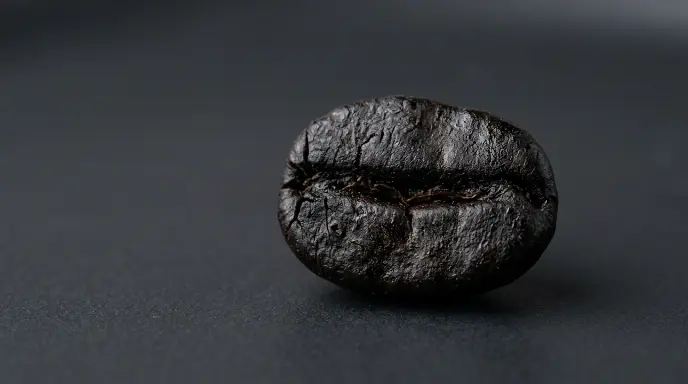
1. Burned
Meaning:
Burned means damaged, consumed, or altered by fire or excessive heat.
Explanation:
Burned is the most direct alternative to burnt. In American English, burned is generally the more common past-tense and past-participle form of burn.
Example:
The paper was burned during the experiment.
Best Use:
General writing, reports, everyday communication, and American English.
Worst Use:
It may be too broad when a more precise description is available.
Tone:
Neutral.
2. Scorched
Meaning:
Scorched means damaged, dried, or discolored by intense heat.
Explanation:
Something scorched has usually been exposed to strong heat without necessarily being completely destroyed.
Example:
The intense sunlight scorched the grass.
Best Use:
Food, plants, surfaces, and descriptions of heat damage.
Worst Use:
It may be inaccurate when an object was completely consumed by fire.
Tone:
Descriptive and moderately formal.
3. Charred
Meaning:
Charred means blackened or burned until carbon remains on the surface or throughout the material.
Explanation:
This is particularly useful for food, wood, paper, and other organic materials.
Example:
The vegetables were charred around the edges.
Best Use:
Cooking, fire descriptions, scientific writing, and descriptive prose.
Worst Use:
Avoid it when something merely became warm or lightly browned.
Tone:
Descriptive and precise.
4. Singed
Meaning:
Singed means slightly burned, usually on the surface or edges.
Explanation:
Singed normally suggests limited heat damage rather than complete burning.
Example:
The flames singed the edges of the curtain.
Best Use:
Hair, fabric, paper, grass, and surfaces.
Worst Use:
It is not suitable when something was severely burned.
Tone:
Neutral and descriptive.
5. Blackened
Meaning:
Blackened means made black by heat, smoke, fire, or cooking.
Explanation:
Blackened describes an appearance and does not always mean the material was completely burned.
Example:
The chef served blackened chicken with vegetables.
Best Use:
Food descriptions, fire damage, and visual descriptions.
Worst Use:
Avoid assuming something is burned simply because it is dark.
Tone:
Neutral and descriptive.
6. Seared
Meaning:
Seared means exposed to very high heat for a short time, often producing a browned or crusted surface.
Explanation:
Unlike burnt, seared is often intentional and desirable in cooking.
Example:
The steak was seared on both sides.
Best Use:
Cooking and culinary writing.
Worst Use:
Do not use it for accidental burning unless the cooking process genuinely involved searing.
Tone:
Professional and culinary.
7. Overcooked
Meaning:
Overcooked means cooked longer or at a higher temperature than desirable.
Explanation:
This is especially useful when food has been cooked too long but is not necessarily physically burned.
Example:
The vegetables were overcooked and had lost their texture.
Best Use:
Recipes, restaurant reviews, cooking instructions, and food writing.
Worst Use:
It does not necessarily mean something has become black or carbonized.
Tone:
Neutral.
8. Blistered
Meaning:
Blistered means having raised bubbles or damaged areas caused by heat.
Explanation:
In cooking, blistering can be intentional and can create attractive browned or blackened spots.
Example:
The peppers were blistered over an open flame.
Best Use:
Cooking, skin descriptions, and material science.
Worst Use:
It is inaccurate when there is no raised or bubbled surface.
Tone:
Descriptive and specific.
9. Smoldering
Meaning:
Smoldering means burning slowly without producing large flames.
Explanation:
A smoldering material may continue to burn internally after visible flames have disappeared.
Example:
The firefighters found several smoldering pieces of wood.
Best Use:
Fire, disaster reports, outdoor descriptions, and narratives.
Worst Use:
It should not describe ordinary overcooked food unless it is literally continuing to burn.
Tone:
Descriptive and serious.
10. Fire-Damaged
Meaning:
Fire-damaged describes something harmed by exposure to fire.
Explanation:
This is broader and more formal than burnt. It can describe buildings, vehicles, documents, furniture, and other property.
Example:
The inspection identified several fire-damaged areas in the building.
Best Use:
Insurance, property reports, professional documentation, and formal writing.
Worst Use:
It sounds excessive for a slightly burned piece of toast.
Tone:
Formal and professional.
11. Carbonized
Meaning:
Carbonized means converted partly or largely into carbon through intense heat.
Explanation:
This is a technical term and is considerably stronger and more specific than burnt.
Example:
The wooden fragments were carbonized by the extreme heat.
Best Use:
Scientific, archaeological, industrial, and technical writing.
Worst Use:
Avoid it in casual conversation unless the technical meaning is intended.
Tone:
Technical and formal.
12. Incinerated
Meaning:
Incinerated means completely or almost completely destroyed by burning.
Explanation:
This is much stronger than ordinary burnt.
Example:
The documents were incinerated according to the facility’s safety procedures.
Best Use:
Technical, industrial, environmental, and formal contexts.
Worst Use:
It is far too strong for mildly burned food.
Tone:
Very formal and strong.
13. Soot-Covered
Meaning:
Soot-covered means covered with black particles produced by incomplete burning.
Explanation:
This describes the result of smoke exposure rather than necessarily direct burning.
Example:
The walls were soot-covered after the kitchen fire.
Best Use:
Fire damage and descriptive writing.
Worst Use:
Do not use it when there is no smoke or soot.
Tone:
Descriptive.
14. Heat-Damaged
Meaning:
Heat-damaged means harmed or changed because of exposure to high temperatures.
Explanation:
It is broader and more neutral than burnt.
Example:
The technician replaced the heat-damaged wiring.
Best Use:
Technical reports, maintenance documents, and professional communication.
Worst Use:
It may be too vague when visible burning is important.
Tone:
Formal and neutral.
15. Fire-Scorched
Meaning:
Fire-scorched describes something visibly damaged or marked by fire.
Explanation:
It emphasizes the effect of fire on the surface or material.
Example:
Fire-scorched walls surrounded the damaged room.
Best Use:
Descriptive, journalistic, and narrative writing.
Worst Use:
Avoid it when the damage came from a non-fire heat source.
Tone:
Descriptive and serious.
Semi-Formal and Neutral Alternatives

16. Toasted
Meaning:
Toasted means heated until browned or crisp, especially food.
Explanation:
Toasted can describe intentional cooking and is not automatically negative.
Example:
The bread was lightly toasted.
Best Use:
Food, recipes, menus, and casual conversation.
Worst Use:
It is inappropriate for severe accidental burning.
Tone:
Neutral and culinary.
17. Roasted
Meaning:
Roasted means cooked using dry heat, usually in an oven or over a fire.
Explanation:
Roasting is generally intentional, so it is not a direct synonym for burnt.
Example:
The vegetables were roasted until tender.
Best Use:
Recipes and food descriptions.
Worst Use:
Do not use it when food has actually been damaged by excessive heat.
Tone:
Neutral and culinary.
18. Overdone
Meaning:
Overdone means cooked too much or taken beyond the desired degree.
Explanation:
It is a useful softer alternative to burnt when food has simply been cooked longer than intended.
Example:
The steak was slightly overdone.
Best Use:
Restaurants, food reviews, recipes, and everyday conversation.
Worst Use:
It may understate serious burning.
Tone:
Neutral and conversational.
19. Crisped
Meaning:
Crisped means made crisp by heat.
Explanation:
This can be positive or negative depending on context.
Example:
The potatoes were crisped around the edges.
Best Use:
Cooking and food descriptions.
Worst Use:
It does not necessarily imply burning.
Tone:
Neutral.
20. Dried Out
Meaning:
Dried out means losing too much moisture.
Explanation:
Food can become dried out because it was cooked too long, but dryness is different from burning.
Example:
The chicken was dried out after being left in the oven too long.
Best Use:
Food and cooking descriptions.
Worst Use:
Do not use it when the main problem is blackened or carbonized food.
Tone:
Neutral and conversational.
21. Browned
Meaning:
Browned means changed to a brown color through cooking or heat.
Explanation:
Browning is often desirable and should not automatically be treated as burning.
Example:
Cook the onions until they are lightly browned.
Best Use:
Cooking and recipe writing.
Worst Use:
It is inaccurate when food has become black and charred.
Tone:
Neutral and culinary.
22. Fried
Meaning:
Fried means cooked in hot oil or fat.
Explanation:
It describes a cooking method rather than heat damage.
Example:
The potatoes were fried until golden.
Best Use:
Cooking contexts.
Worst Use:
It should not replace burnt unless frying is actually involved.
Tone:
Neutral.
23. Cooked Too Long
Meaning:
Cooked too long means food remained under heat beyond the desired cooking time.
Explanation:
This is a clear phrase for everyday communication.
Example:
The cookies were cooked too long and became hard.
Best Use:
Casual conversation and simple instructions.
Worst Use:
It may be too vague for technical descriptions.
Tone:
Casual and clear.
24. Ruined by Heat
Meaning:
Ruined by heat means damaged beyond the desired condition because of excessive temperature.
Example:
The plastic container was ruined by heat.
Best Use:
General descriptions of damage.
Worst Use:
Avoid it if the item remains usable.
Tone:
Neutral and descriptive.
Informal and Casual Alternatives
25. Burned Up
Meaning:
Burned up means completely or extensively burned.
Example:
The old papers were burned up in the fire.
When it sounds natural:
Everyday conversation and informal descriptions.
When to avoid it:
Formal reports and technical writing.
Tone:
Casual.
26. Burned to a Crisp
Meaning:
This phrase means something has become extremely dry, hard, or burned.
Example:
I left the toast in too long and burned it to a crisp.
When it sounds natural:
Casual speech and humorous descriptions.
When to avoid it:
Formal or technical writing.
Tone:
Informal and vivid.
27. Toasted
Meaning:
In casual speech, toasted can sometimes mean badly affected by heat.
Example:
The sandwich was completely toasted after I forgot about it.
When it sounds natural:
Casual conversation, especially about food.
When to avoid it:
Formal writing where burned or charred is more precise.
Tone:
Casual.
28. Fried
Meaning:
Informally, fried can describe something severely affected by heat, although its literal meaning refers to cooking in oil or fat.
Example:
The old circuit board was fried after the power surge.
When it sounds natural:
Informal technical or everyday speech.
When to avoid it:
Formal documentation.
Tone:
Casual.
29. Ruined
Meaning:
Ruined means damaged so badly that the thing is no longer useful or desirable.
Example:
The cake was ruined because it stayed in the oven too long.
When it sounds natural:
Everyday conversation.
When to avoid it:
When the item is damaged but still usable.
Tone:
Casual and broad.
True Synonyms vs. Contextual Alternatives
| Type | What It Means | Can It Replace “Burnt”? |
|---|---|---|
| True synonym | Has essentially the same basic meaning | Burned usually can |
| Near synonym | Shares most of the meaning but has a slightly different emphasis | Scorched, charred, singed often can |
| Contextual alternative | Works in a particular situation | Overcooked, toasted, seared can |
| Broader expression | Describes a wider type of damage | Heat-damaged, fire-damaged sometimes can |
| Narrower expression | Describes a specific kind of burning | Carbonized, incinerated, smoldering only in specific contexts |
The key distinction is that burnt is broad. A food item can be burnt, but it can also be overcooked, charred, scorched, blackened, or merely overdone. The exact word should match the severity and process.
Business Writing
In business writing, avoid vague descriptions when documenting damage.
Instead of:
The equipment was burnt.
Consider:
The equipment was damaged by excessive heat.
Or, if fire was involved:
The equipment sustained fire damage.
For a technical report:
Several components showed heat damage and discoloration.
The more precise version helps readers understand what actually happened.
Corporate Communication
Corporate communication should distinguish between minor heat damage and serious fire damage.
Example:
Several documents were damaged by smoke and heat during the incident.
This is more informative than simply saying:
Several documents were burnt.
If the documents were completely destroyed:
Several documents were destroyed by fire.
Use the strongest wording only when the facts support it.
Academic Writing
Academic writing benefits from precise descriptions of heat exposure.
Useful terms include:
- Heat-damaged
- Charred
- Carbonized
- Scorched
- Thermally degraded
- Incinerated
Example:
The researchers examined charred plant remains recovered from the site.
Here, charred is more precise than simply saying burnt.
Customer Service
Customer-service communication should remain clear and factual.
Instead of:
Your product was burnt.
Use:
The product appears to have been damaged by excessive heat.
If the cause has not been confirmed, avoid stating it as a fact.
A careful version is:
The item shows visible heat damage, and our team will review the issue further.
Legal Writing
Legal documents require careful distinctions between terms such as burned, fire-damaged, heat-damaged, destroyed, and charred.
For example, saying an object was destroyed by fire is stronger than saying it was heat-damaged. The appropriate terminology depends on the facts and the legal context.
Avoid using incinerated, destroyed, or similar strong terms unless the evidence supports them.
Email Communication
Client Communication
Thank you for your message. We inspected the materials and found visible heat damage on several items. We are reviewing the affected pieces and will provide an update once the assessment is complete.
Best regards,
Customer Support
Project Update
The equipment affected by the incident has been separated from the remaining units. Several components show clear fire damage, and we are arranging a detailed inspection before deciding on replacement or repair.
Best,
Project Team
Customer Service
Thank you for contacting us. We are sorry that the item arrived with visible heat damage. Please send us the requested photos so we can review the condition and determine the appropriate next step.
Kind regards,
Customer Service Team
Internal Workplace Email
The food preparation equipment appears to have been exposed to excessive heat and is no longer operating normally. Please avoid using it until the maintenance team has completed an inspection.
Thank you,
Facilities Team
Academic Communication
I have reviewed the samples and noticed that several pieces are significantly charred. Could you confirm whether this level of heat exposure was expected during the experiment?
Best,
Student Researcher
Short Dialogue Examples
Workplace
Person A: What happened to the documents?
Person B: Some were damaged by heat during the incident.
Classroom
Person A: Why is this sample black?
Person B: It was charred during the heating process.
Customer Service
Person A: My package arrived with a damaged surface.
Person B: I’m sorry about that. We’ll document the heat damage and review your case.
Casual Conversation
Person A: How was the cake?
Person B: Honestly, it was overdone around the edges.
Professional Discussion
Person A: Was the equipment completely destroyed?
Person B: No. It was heat-damaged, but several components may still be repairable.
How to Replace “Burnt” in a Sentence
Example 1
Original:
The bread was burnt.
Alternative:
The bread was overcooked.
Why it works:
Use this when the bread was cooked too long but was not necessarily blackened.
Example 2
Original:
The edges of the vegetables were burnt.
Alternative:
The edges of the vegetables were charred.
Why it works:
Charred gives a more specific description of blackened or carbonized edges.
Example 3
Original:
The grass was burnt by the heat.
Alternative:
The grass was scorched by the heat.
Why it works:
Scorched is natural for vegetation exposed to intense heat.
Example 4
Original:
The flames burnt his hair.
Alternative:
The flames singed his hair.
Why it works:
Singed suggests that the hair was slightly burned rather than completely destroyed.
Example 5
Original:
The steak was burnt.
Alternative:
The steak was seared.
Why it works:
This only works if the steak was intentionally cooked at high heat and developed a browned surface. Seared does not mean accidentally burned.
Example 6
Original:
The documents were burnt in the fire.
Alternative:
The documents were destroyed by fire.
Why it works:
This is more formal and emphasizes the result rather than the burning process.
Example 7
Original:
The wooden surface was burnt.
Alternative:
The wooden surface was scorched.
Why it works:
Scorched works when the wood was marked or damaged by intense heat without necessarily being consumed.
Example 8
Original:
The food was burnt.
Alternative:
The food was overdone.
Why it works:
Overdone is softer and works when the food was cooked beyond the desired point.
Example 9
Original:
The building was burnt.
Alternative:
The building sustained fire damage.
Why it works:
This is more appropriate for formal reports and focuses on documented damage.
Example 10
Original:
The material was burnt completely.
Alternative:
The material was incinerated.
Why it works:
Incinerated is much stronger and should be used when the material was almost completely destroyed through burning.
Comparison Table
| Phrase | Tone | Meaning / Scope | Best Use | Example |
|---|---|---|---|---|
| Burned | Neutral | Damaged by fire or heat | General writing | The paper was burned. |
| Scorched | Descriptive | Damaged by intense heat | Plants, surfaces, food | The grass was scorched. |
| Charred | Precise | Blackened by burning | Food, wood, remains | The wood was charred. |
| Singed | Mild | Slightly burned | Hair, fabric, edges | Her sleeve was singed. |
| Blackened | Neutral | Turned black through heat | Food, surfaces | The bread was blackened. |
| Seared | Culinary | Quickly exposed to high heat | Meat, vegetables | The steak was seared. |
| Overcooked | Neutral | Cooked too long | Food | The pasta was overcooked. |
| Toasted | Neutral | Heated until browned/crisp | Food | The bread was toasted. |
| Smoldering | Descriptive | Burning slowly without flames | Fire | The wood was smoldering. |
| Incinerated | Strong/formal | Almost completely destroyed by fire | Technical writing | The waste was incinerated. |
| Carbonized | Technical | Converted into carbon by heat | Science | The sample was carbonized. |
| Heat-damaged | Formal | Damaged by high temperature | Reports | The equipment was heat-damaged. |
Which Alternative Should You Choose?
For Formal Writing
Use burned, scorched, charred, heat-damaged, or fire-damaged, depending on what happened.
For Business Communication
Use heat-damaged, fire-damaged, or damaged by excessive heat for clear professional descriptions.
For Academic Writing
Choose charred, carbonized, scorched, or thermally damaged when the technical meaning is appropriate.
For Legal Writing
Use factual descriptions such as fire-damaged, heat-damaged, or destroyed by fire when supported by the available evidence.
For Professional Email
Use heat-damaged, overcooked, charred, or damaged by fire depending on the situation.
For Everyday Conversation
Burned, burnt, overdone, toasted, charred, and ruined are generally natural choices.
For Cooking
Use overcooked when food went beyond the desired cooking time, charred for blackened areas, scorched for excessive heat damage, and seared when high-heat cooking was intentional.
Grammar & Usage Guide
Burned vs. Burnt
Both burned and burnt are forms of the verb burn.
In American English, burned is generally more common as both the past tense and past participle.
Example:
I burned the toast.
The toast was burned.
Burnt is also correct, especially in established expressions and in British English.
Example:
The toast was burnt.
Burnt as an Adjective
Burnt can describe a condition or quality.
The kitchen smelled of burnt toast.
The burnt edges were removed.
Burned as a Verb
She burned the letter.
The fire burned the wooden door.
Common Prepositions
Useful combinations include:
- Burned by fire
- Burned by heat
- Burned in a fire
- Burned to ashes
- Burned through
- Burned down
- Burned out
Each phrase has a different meaning.
Burn Down
Burn down generally refers to a building or structure being destroyed by fire.
The old warehouse burned down.
Burn Out
Burn out can mean something stopped functioning because of excessive heat or use.
The motor burned out.
It can also have non-literal meanings unrelated to fire.
Burned vs. Burnt in American English
For most American English writing, burned is the safest general form.
However, burnt remains natural in phrases such as:
burnt toast
burnt offering
burnt sugar
The preferred form can vary by dialect and expression.
Common Mistakes to Avoid
1. Treating Every Heat Effect as Burning
Browning, roasting, searing, and toasting do not automatically mean something is burnt.
2. Using “Charred” for Slight Damage
Charred suggests significant blackening or burning. For minor damage, singed may be more accurate.
3. Confusing “Overcooked” With “Burnt”
Food can be overcooked without being burned. Overcooking refers to excessive cooking time; burning usually involves stronger heat damage.
4. Using “Seared” as a Direct Replacement
Seared often describes an intentional cooking technique. It does not normally mean accidentally burned.
5. Using “Incinerated” Too Casually
Incinerated suggests near-complete destruction through burning and is much stronger than burnt.
6. Confusing “Singed” With “Charred”
Singed usually indicates slight surface burning, while charred suggests more extensive burning and blackening.
7. Using “Toasted” for Serious Fire Damage
Toasted usually sounds casual or culinary. It is not appropriate for serious fire-damage reports.
8. Ignoring Dialect Differences
American English commonly favors burned, while burnt is also widely used, particularly in British English and certain fixed expressions.
When Not to Use “Burnt”
When You Mean Properly Cooked
Use roasted, toasted, browned, or seared when the cooking was intentional and successful.
When You Mean Slight Surface Damage
Use singed if only the surface or edge was lightly affected.
When You Mean Excessive Cooking
Use overcooked or overdone when food simply stayed under heat too long.
When You Mean Fire Damage in a Report
Use fire-damaged or damaged by fire when a formal description is needed.
When You Mean Complete Destruction
Use incinerated or destroyed by fire if the material was actually destroyed.
When You Mean Slow Burning
Use smoldering if something continues to burn slowly without obvious flames.
When “Burnt” Is Actually Better
Keep burnt when you want a simple, direct description and the exact degree or type of heat damage does not matter.
Advanced Writer Tips
Tone Control
Use burned for neutral writing, scorched for vivid descriptions, charred for precise visible damage, and incinerated for severe destruction.
Professional Email Etiquette
Avoid dramatic terms unless they are necessary. Instead of saying something was “completely burnt,” describe the documented condition.
Politeness
When discussing a mistake involving food, overcooked or overdone can sound less harsh than burnt.
Context Alignment
Think about what caused the condition. Fire, direct heat, cooking, sunlight, and electrical damage may require different wording.
Precision
Ask whether you are describing:
- The cause
- The appearance
- The degree of damage
- The cooking method
- The final result
Then select the word that matches.
Readability
Simple language is often strongest.
Instead of:
The food experienced substantial thermal degradation.
write:
The food was badly overcooked.
Technical terms are useful only when the audience and subject require them.
Related Questions
What is another way to say burnt?
Common alternatives include burned, scorched, charred, singed, blackened, overcooked, and overdone. The best option depends on whether you are describing food, fire damage, a surface, or slight heat exposure.
What is a professional alternative to burnt?
For professional writing, heat-damaged, fire-damaged, scorched, or damaged by excessive heat may be more precise than burnt. Choose based on what actually happened.
What is a formal alternative to burnt?
Formal alternatives include scorched, charred, carbonized, heat-damaged, and fire-damaged. Incinerated is appropriate only when the material was almost completely destroyed by burning.
Is burnt formal?
Burnt is a standard English word, but it is not especially formal. In American English, burned is often the more common general form. Technical writing may use more precise terms such as charred or carbonized.
What is the difference between burnt and scorched?
Burnt is a broad term for damage caused by excessive heat or fire. Scorched usually means something has been dried, discolored, or damaged by intense heat without necessarily being completely consumed.
What is the difference between burnt and charred?
Charred is more specific. It usually describes material that has become blackened through burning and often contains carbonized remains. Something can be burnt without being visibly charred.
What is the difference between burnt and overcooked?
Overcooked means food was cooked longer or more intensely than desired. Burnt generally indicates more severe heat damage. Food can be overcooked without being burnt.
FAQs
What is the closest synonym for burnt?
Burned is the closest general synonym for burnt. Other alternatives, such as scorched, charred, and singed, are more specific because they describe particular degrees or forms of heat damage.
Is burned or burnt correct?
Both are correct. In American English, burned is generally the more common form. Burnt is also standard and is especially common in British English and certain established expressions.
What is a softer word for burnt food?
Overcooked or overdone can be softer alternatives when food was cooked too long but is not necessarily severely blackened. Toasted may also work in some casual contexts, but it can imply intentional cooking.
What is a strong word for burnt?
Incinerated is much stronger than burnt and suggests near-complete destruction by fire. Carbonized is another strong, technical term describing conversion into carbon through intense heat.
What is the difference between singed and burnt?
Singed usually means lightly or superficially burned, especially around edges. Burnt is broader and can describe anything from moderate heat damage to severe destruction.
Can charred mean burnt?
Yes. Charred is a type of burning that generally produces blackened, carbonized material. However, not everything that is burnt is necessarily charred.
What is the opposite of burnt?
The opposite depends on context. For food, possible opposites include raw, uncooked, fresh, or properly cooked. For materials, undamaged or intact may be more appropriate.
Key Takeaways
- Burned is the closest general alternative to burnt.
- Scorched, charred, and singed describe different degrees of heat damage.
- Overcooked and overdone are useful when food has been cooked too long.
- Heat-damaged and fire-damaged work well in professional and formal writing.
- Choose seared, toasted, or roasted only when the cooking method or result genuinely matches the meaning.
Conclusion
The best synonym for burnt depends heavily on context. For a simple replacement, burned is the most direct choice. When you need greater precision, scorched describes damage from intense heat, charred suggests blackened burning, and singed indicates lighter surface damage.
For food, overcooked or overdone can be more accurate when excessive cooking is the main issue, while seared, toasted, and roasted describe intentional cooking methods rather than accidental burning.
In professional writing, terms such as heat-damaged and fire-damaged provide a neutral description, while technical contexts may require words such as carbonized or incinerated. The strongest writing does not simply replace one word with another; it chooses the word that accurately communicates the degree, cause, appearance, and context of the damage.