Sight is a flexible English word with several meanings. It can refer to the ability to see, something that is visible, a view or scene, a quick look, or the act of noticing something. Because its meaning changes with context, the best synonym depends on what you are trying to say.
Writers often search for alternatives to avoid repetition, make descriptions more precise, or adjust the tone of a sentence. A word such as vision may work when talking about the ability to see, while view usually works better for a scene or perspective.
Glance describes a brief look, whereas observation suggests careful attention. This guide separates true synonyms from related and contextual alternatives so you can choose the right word without changing your intended meaning.
Quick Answer
The best synonyms for sight depend on its meaning. Common alternatives include vision, view, glance, look, scene, spectacle, appearance, observation, perception, eyesight, and panorama. Some are direct substitutes, while others apply only to specific meanings of sight, so context and tone matter.
Quick List of Useful Alternatives
Closest and Common Alternatives
- Vision — the ability to see
- Eyesight — physical ability to see
- View — what can be seen from a particular position
- Look — an act of directing your eyes toward something
- Glance — a quick look
- Observation — careful noticing or examination
- Scene — something visible in a particular setting
- Appearance — the way something looks
- Spectacle — an impressive or striking sight
- Display — something arranged or presented for viewing
- Panorama — a broad, often impressive view
- Outlook — a view or perspective
- Perspective — a particular way of seeing or understanding something
- Perception — the way something is noticed or understood
- Vision — an image, idea, or ability to see
- Inspection — careful examination
- Viewpoint — a position from which something is seen or considered
- Landscape — visible natural scenery
- Scenery — natural or attractive views
- Image — a visual representation
- Glimpse — a brief or partial view
- Peek — a quick or secret look
- Stare — a long, fixed look
- Gaze — a steady or thoughtful look
- Watch — looking at something over a period of time
Formal Alternatives
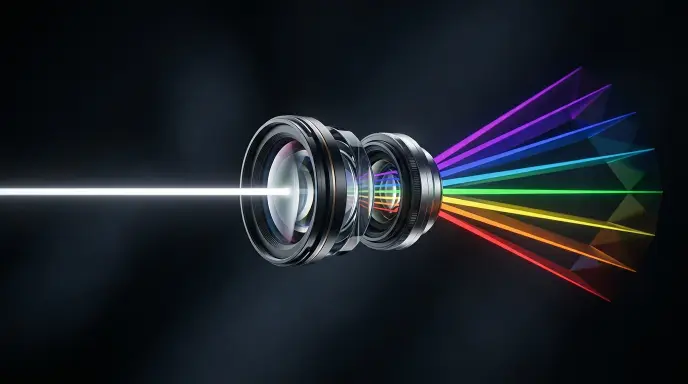
Vision
Meaning: The ability to see, or the power of seeing.
Explanation: Vision is one of the closest alternatives to sight when discussing the physical sense of seeing. It can also describe a mental image or future idea, so context matters.
Example: Regular eye examinations can help protect your vision.
Best Use: Medical, academic, scientific, professional, and general writing.
Worst Use: Avoid it when you simply mean a scenic view or a brief look.
Tone: Neutral to formal.
Eyesight
Meaning: The physical ability to see.
Explanation: Eyesight specifically refers to visual ability. Unlike sight, it does not normally describe a scene or something attractive to look at.
Example: Reading in poor lighting does not necessarily damage your eyesight.
Best Use: Health, education, everyday explanations, and discussions of visual ability.
Worst Use: It sounds incorrect if you mean a beautiful landscape.
Tone: Neutral.
Observation
Meaning: The act of carefully noticing or examining something.
Explanation: Observation can replace sight when the intended meaning involves deliberate attention rather than simply seeing.
Example: Careful observation revealed several small changes in the experiment.
Best Use: Academic writing, research, reports, professional communication, and analysis.
Worst Use: Do not use it for an attractive view unless you specifically mean the act of noticing it.
Tone: Formal and analytical.
Inspection
Meaning: A careful examination of something.
Explanation: Inspection is narrower than sight. It implies that someone deliberately examines something to assess its condition or details.
Example: The engineer completed an inspection of the building.
Best Use: Technical, workplace, safety, maintenance, and professional writing.
Worst Use: It is unnatural for a casual statement such as “The sight was beautiful.”
Tone: Formal and practical.
Perception
Meaning: The way something is noticed, interpreted, or understood through the senses or the mind.
Explanation: Perception is related to sight but is not a direct synonym. It focuses on interpretation rather than simple visual ability.
Example: The lighting changed the visitor’s perception of the room.
Best Use: Academic, psychological, analytical, and professional contexts.
Worst Use: Avoid using it when you simply mean eyesight.
Tone: Formal.
Perspective
Meaning: A particular way of viewing something.
Explanation: Perspective can describe a physical position from which something is seen or an individual’s way of understanding an issue.
Example: From this perspective, the mountain appears much larger.
Best Use: Academic writing, professional discussions, visual arts, and analytical writing.
Worst Use: It does not normally mean physical eyesight.
Tone: Neutral to formal.
Viewpoint
Meaning: A position or angle from which something is seen or considered.
Explanation: Viewpoint can refer to a physical location or an opinion. It is therefore useful when sight relates to a particular angle or perspective.
Example: The photographer changed his viewpoint to capture the entire building.
Best Use: Writing, photography, discussion, analysis, and professional communication.
Worst Use: Avoid it when talking about the ability to see.
Tone: Neutral to formal.
Panorama
Meaning: A wide or complete view of an area.
Explanation: Panorama is a narrower alternative. It describes an expansive scene rather than sight in general.
Example: The hotel offers a stunning panorama of the coastline.
Best Use: Travel writing, photography, geography, architecture, and descriptive prose.
Worst Use: It cannot normally replace sight in phrases about eyesight.
Tone: Formal and descriptive.
Spectacle
Meaning: A striking, impressive, or unusual sight.
Explanation: Spectacle emphasizes the visual impact of something. It often suggests that what is seen attracts attention.
Example: The fireworks created a spectacular spectacle over the city.
Best Use: Descriptive writing, journalism, travel writing, and discussions of events.
Worst Use: It is too strong if you simply mean an ordinary view.
Tone: Formal to literary.
Appearance
Meaning: The way someone or something looks.
Explanation: Appearance is useful when sight refers to how something looks rather than the act or ability of seeing.
Example: The new design improved the appearance of the website.
Best Use: Descriptions, design, business writing, fashion, and everyday communication.
Worst Use: It cannot replace sight when referring to visual ability.
Tone: Neutral.
Scenery
Meaning: Natural or attractive views of the surrounding area.
Explanation: Scenery is a contextual alternative to sight when talking about landscapes or attractive outdoor views.
Example: Visitors come to the region for its mountain scenery.
Best Use: Travel writing, tourism, descriptions, and everyday conversation.
Worst Use: Do not use it for a person’s eyesight or a quick look.
Tone: Neutral and descriptive.
Landscape
Meaning: The visible features of a natural or developed area.
Explanation: Landscape is more specific than sight. It describes the physical setting or terrain that can be seen.
Example: The desert landscape stretched for miles.
Best Use: Geography, travel writing, photography, art, and environmental writing.
Worst Use: It is not a replacement for sight when discussing visual ability.
Tone: Neutral to formal.
Display
Meaning: Something presented for people to look at.
Explanation: Display is appropriate when the thing being seen has been deliberately arranged or presented.
Example: The museum prepared a display of historical photographs.
Best Use: Retail, museums, exhibitions, websites, presentations, and business communication.
Worst Use: It does not mean eyesight or a natural view.
Tone: Neutral.
Glimpse
Meaning: A brief or incomplete view of something.
Explanation: Glimpse is useful when sight is momentary or partial. It often suggests that something was seen for only a short time.
Example: We caught a glimpse of the deer before it disappeared.
Best Use: Narrative writing and everyday descriptions.
Worst Use: Do not use it for continuous or detailed viewing.
Tone: Neutral and descriptive.
Semi-Formal and Neutral Alternatives
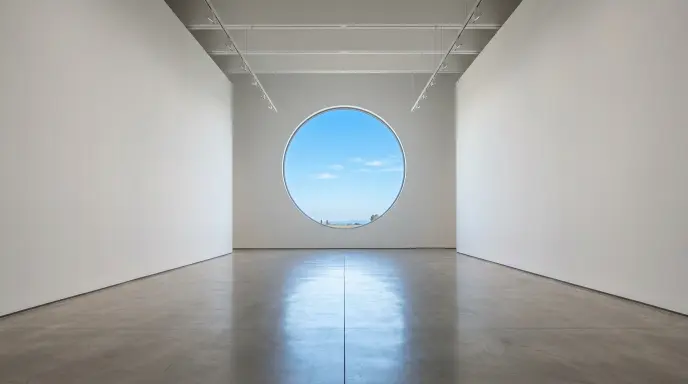
View
Meaning: Something that can be seen from a particular place or position.
Explanation: View is one of the most useful substitutes for sight when discussing scenery, a landscape, or what appears in front of someone.
Example: The office has a clear view of the river.
Best Use: Everyday writing, business communication, travel, and descriptions.
Worst Use: Avoid it when discussing the medical ability to see.
Tone: Neutral.
Look
Meaning: An act of directing your eyes toward something.
Explanation: Look is a very common alternative when sight refers to the act of seeing or examining something visually.
Example: Take a look at the updated schedule.
Best Use: Everyday conversation, emails, instructions, and informal writing.
Worst Use: It may be too general when precise wording is needed.
Tone: Neutral and conversational.
Glance
Meaning: A quick look.
Explanation: A glance is shorter and less deliberate than an inspection or detailed observation.
Example: She took a quick glance at her phone.
Best Use: Everyday writing, workplace communication, and storytelling.
Worst Use: Avoid it if the person studied something carefully.
Tone: Neutral.
Scene
Meaning: Something visible in a particular place or situation.
Explanation: Scene can replace sight when referring to what someone sees at a specific moment or location.
Example: The sunset created a peaceful scene.
Best Use: Descriptive writing, stories, travel content, and everyday language.
Worst Use: It does not mean eyesight.
Tone: Neutral and descriptive.
Image
Meaning: A visual representation or picture of something.
Explanation: Image is appropriate when the visual element is a picture, photograph, graphic, or mental representation.
Example: The article includes an image of the historic building.
Best Use: Websites, publishing, photography, design, and digital communication.
Worst Use: It should not replace sight when referring to the physical sense.
Tone: Neutral.
Appearance
Meaning: The way something looks.
Explanation: Appearance focuses on visual characteristics rather than the act of seeing.
Example: The product’s appearance changed after the redesign.
Best Use: Design, writing, business, and everyday descriptions.
Worst Use: It is not appropriate for visual ability.
Tone: Neutral.
Outlook
Meaning: A view from a particular location or a general perspective.
Explanation: Outlook can refer to a physical view, but it also commonly means an attitude or expectation about the future.
Example: The apartment has a pleasant outlook over the park.
Best Use: Descriptive and professional writing.
Worst Use: Avoid it when there is a risk that readers will interpret it as an attitude or future expectation.
Tone: Neutral to formal.
Viewpoint
Meaning: A position or perspective from which something is seen.
Explanation: Viewpoint emphasizes the position or angle of the observer.
Example: The painting looks different from another viewpoint.
Best Use: Photography, art, discussion, and analytical writing.
Worst Use: It does not mean the ability to see.
Tone: Neutral.
Gaze
Meaning: A steady or prolonged look.
Explanation: Gaze is more specific than sight. It describes sustained visual attention, often with an emotional or thoughtful quality.
Example: He gazed across the lake in silence.
Best Use: Narrative and descriptive writing.
Worst Use: It may sound overly literary in a simple business email.
Tone: Neutral to literary.
Watch
Meaning: To look at something attentively for a period of time.
Explanation: Watch focuses on sustained attention, especially when something is moving or changing.
Example: We watched the birds from the balcony.
Best Use: Everyday conversation, instructions, and informal writing.
Worst Use: It does not describe eyesight itself.
Tone: Neutral.
Informal and Casual Alternatives
Peek
Meaning: A quick or sometimes secret look.
Example: I took a peek at the new design before the meeting.
When it sounds natural: Casual conversations, messages, and friendly workplace communication.
When to avoid it: Formal reports, academic papers, and serious technical writing.
Tone: Casual and friendly.
Look
Meaning: A general act of seeing or examining something.
Example: Have a look at this photo.
When it sounds natural: Almost any everyday situation.
When to avoid it: When you need a highly precise or technical term.
Tone: Casual to neutral.
Peek at
Meaning: To look quickly, often briefly or secretly.
Example: She peeked at the answer before submitting the quiz.
When it sounds natural: Informal conversation and storytelling.
When to avoid it: Formal academic or professional writing.
Tone: Casual.
Take a Look
Meaning: To examine or view something.
Example: Take a look at the latest version.
When it sounds natural: Emails, workplace conversations, instructions, and everyday speech.
When to avoid it: Highly formal or legal documents where a more precise verb may be preferable.
Tone: Conversational and neutral.
Stare
Meaning: To look at something for a long time, often without looking away.
Example: Everyone stared at the unusual object.
When it sounds natural: Stories and everyday descriptions.
When to avoid it: Do not use it as a general replacement for sight. Staring implies prolonged and noticeable looking.
Tone: Neutral but potentially negative.
Glance
Meaning: A brief look.
Example: I glanced at the clock before leaving.
When it sounds natural: Everyday speech, emails, and casual writing.
When to avoid it: When careful examination is intended.
Tone: Neutral and conversational.
True Synonyms vs. Contextual Alternatives
Not every word associated with sight can replace it in every sentence. The distinction becomes especially important because sight can refer to visual ability, something visible, or the act of seeing.
| Type | What It Means | Can It Replace the Original? |
|---|---|---|
| True synonym | A word with essentially the same meaning in a specific context | Often, but context still matters |
| Near synonym | A word with a closely related meaning | Sometimes |
| Contextual alternative | A word that works in one particular use of the word | Only in suitable contexts |
| Broader expression | A term covering a wider idea | Sometimes, with meaning changes |
| Narrower expression | A term covering only one part of the original meaning | Only when that narrower meaning is intended |
For example, vision can often replace sight when discussing visual ability. View works when sight means something visible from a location. Glance works when the intended meaning is a brief look. None of these words is interchangeable with sight in every possible sentence.
Industry-Specific Usage
Business Writing
Business writing usually benefits from precise alternatives rather than repeatedly using sight.
- Use view for what someone can see from a location.
- Use observation for a finding based on careful examination.
- Use appearance for how a product or document looks.
- Use perspective for a particular way of considering an issue.
- Use inspection for a formal examination.
Example:
“Based on our observation of the customer feedback, the interface needs revision.”
This is more precise than using sight when the intended meaning is careful examination.
Corporate Communication
In reports and internal documents, observation, view, perspective, and appearance are often more precise than sight.
Example:
“From a customer perspective, the new layout is easier to navigate.”
Here, perspective communicates a particular point of view rather than physical vision.
Academic Writing
Academic writing often uses terms such as observation, perception, visual perception, perspective, and appearance.
Example:
“The study examined how lighting influenced visual perception.”
Using visual perception is more precise than simply saying sight when discussing how people interpret visual information.
Customer Service
Customer-service language should be clear and natural.
Example:
“Please take a look at the attached image and confirm whether the issue appears there.”
Here, take a look sounds more natural than a formal term such as inspection.
Legal Writing
Legal documents require particular care because related terms can have different meanings. Words such as observation, inspection, appearance, view, and perception should not automatically be treated as interchangeable with sight.
For example, an inspection may imply a deliberate examination, while observation may describe something noticed. The appropriate term depends on the document and the intended legal meaning.
Email Communication
Professional emails generally work well with simple terms such as view, look, review, observation, and appearance.
For example:
“Please take a look at the attached document.”
is natural for an everyday workplace request, while:
“Our review identified several formatting issues.”
is more precise when the writer means a formal examination.
Email Examples
Client Communication
Subject: A Look at the Revised Proposal
Hello Jordan,
Please take a look at the revised proposal attached to this email. I have updated the pricing section and clarified the delivery timeline.
Please let me know if you would like any further changes.
Best,
Alex
Project Update
Subject: Project Review Update
Hi Team,
Our latest observation of the testing results shows that the revised process is working as expected. We will continue monitoring the results before making a final recommendation.
Best,
Maya
Request
Subject: Please Review the New Design
Hi Daniel,
Could you take a look at the updated homepage design when you have a chance? I would appreciate your feedback on the overall appearance and navigation.
Thanks,
Chris
Academic Communication
Subject: Question About the Visual Analysis
Dear Professor Lee,
I am reviewing the visual perception section of my assignment and wanted to confirm whether the discussion should focus primarily on the viewer’s perspective or the appearance of the images.
Thank you,
Sara
Customer Service
Subject: Photo Review Request
Hello,
Thank you for contacting us. Please send a clear image of the damaged item so our team can take a closer look and determine the appropriate next step.
Kind regards,
Customer Support
Short Dialogue Examples
Workplace
Person A: Can you take a look at this report?
Person B: Sure. I’ll review it before the meeting.
Classroom
Person A: What did you notice in the painting?
Person B: My first observation was the contrast between the light and dark areas.
Customer Service
Person A: Can you check this image?
Person B: Of course. I’ll take a closer look.
Casual Conversation
Person A: Did you see the sunset?
Person B: Yes. The view was incredible.
Professional Discussion
Person A: How does the design look from this angle?
Person B: The perspective makes the main feature much more noticeable.
How to Replace “Sight” in a Sentence
Example 1
Original: The sight from the balcony was beautiful.
Alternative: The view from the balcony was beautiful.
Why it works: View specifically describes what can be seen from a particular location.
Example 2
Original: His sight began to improve.
Alternative: His eyesight began to improve.
Why it works: Eyesight clearly refers to the physical ability to see.
Example 3
Original: She gave the document a quick sight.
Alternative: She gave the document a quick glance.
Why it works: Glance describes a brief look. The original wording is unnatural.
Example 4
Original: The scientist recorded the sight of unusual behavior.
Alternative: The scientist recorded an observation of unusual behavior.
Why it works: Observation fits a deliberate scientific record better.
Example 5
Original: We enjoyed the sight of the mountains.
Alternative: We enjoyed the mountain scenery.
Why it works: Scenery is natural when describing attractive natural views.
Example 6
Original: The sight of the building changed from this angle.
Alternative: The appearance of the building changed from this angle.
Why it works: Appearance focuses on how the building looks.
Example 7
Original: The photographer changed his sight.
Alternative: The photographer changed his viewpoint.
Why it works: Viewpoint describes the position or angle from which something is photographed.
Example 8
Original: She had excellent sight.
Alternative: She had excellent vision.
Why it works: Vision is the natural choice for general visual ability.
Example 9
Original: I got a sight of the bird before it flew away.
Alternative: I caught a glimpse of the bird before it flew away.
Why it works: Glimpse communicates that the bird was seen only briefly.
Example 10
Original: The engineer had a sight of the machine.
Alternative: The engineer inspected the machine.
Why it works: Inspected clearly indicates a deliberate examination rather than simply seeing the machine.
Comparison Table
| Phrase | Tone | Meaning / Scope | Best Use | Example |
|---|---|---|---|---|
| Vision | Neutral/formal | Ability to see | Health, general writing | Her vision improved. |
| Eyesight | Neutral | Physical ability to see | Everyday and medical contexts | His eyesight is good. |
| View | Neutral | Something visible from a place | Scenery and locations | The view is beautiful. |
| Look | Casual/neutral | Act of directing the eyes | Conversation and emails | Take a look at this. |
| Glance | Neutral | Brief look | Quick viewing | She glanced at the report. |
| Observation | Formal | Careful noticing | Research and reports | The observation was recorded. |
| Inspection | Formal | Detailed examination | Technical contexts | The inspection found a fault. |
| Scene | Neutral | Something visible in a setting | Descriptions | It was a peaceful scene. |
| Scenery | Neutral | Natural or attractive views | Travel and descriptions | The scenery was impressive. |
| Panorama | Formal/descriptive | Wide view | Travel and photography | A panorama of the valley. |
| Spectacle | Formal/literary | Striking sight | Events and descriptions | The fireworks were a spectacle. |
| Appearance | Neutral | How something looks | Design and description | Its appearance changed. |
| Perspective | Formal/neutral | Particular angle or way of seeing | Analysis and photography | A different perspective. |
| Gaze | Literary/neutral | Steady look | Narrative writing | He gazed across the lake. |
| Glimpse | Neutral | Brief or partial view | Stories and descriptions | We caught a glimpse. |
Which Alternative Should You Choose?
For Formal Writing
Choose observation, inspection, perception, perspective, or vision depending on the meaning.
- Physical ability to see → vision
- Careful noticing → observation
- Deliberate examination → inspection
- Interpretation of sensory information → perception
- Particular angle or way of considering something → perspective
For Business Communication
Use view, observation, review, appearance, or perspective.
For example, “Please review the document” is more precise than using sight when you want someone to examine a document.
For Academic Writing
Observation, visual perception, perspective, appearance, and vision are useful choices.
Select the term that accurately describes the academic concept rather than replacing sight simply for variety.
For Legal Writing
Choose terminology according to the exact meaning intended. Inspection and observation may describe different actions, so replacing one with another merely to avoid repetition can change the meaning.
For Professional Email
Simple terms are usually strongest. Try look, review, view, observation, or appearance where appropriate.
For Everyday Conversation
Look, view, glance, glimpse, scenery, and sight all have useful roles.
Examples:
- “Take a look.”
- “We caught a glimpse of the bird.”
- “The view was amazing.”
- “The scenery was beautiful.”
For Casual Messages
Look, peek, glance, and take a look sound natural.
Avoid unnecessarily formal choices such as perception or inspection when talking casually.
Grammar & Usage Guide
Sight as a Noun
Sight is primarily used as a noun.
Example:
“The sight of the ocean was breathtaking.”
Sight Meaning Visual Ability
When sight means the ability to see, it can appear in expressions such as:
- lose one’s sight
- regain one’s sight
- have good sight
- rely on sight
However, vision and eyesight are often more natural in modern general writing.
Sight Meaning Something Seen
When sight means something visible, it can refer to an object, person, event, or scene.
Example:
“The fireworks were an impressive sight.”
Sight of + Noun
The structure the sight of + noun is common.
Example:
“The sight of snow made the children excited.”
Depending on context, alternatives include:
- the view of
- the appearance of
- the scene of
- seeing
- the glimpse of
These alternatives do not always have identical meanings.
In Sight
The phrase in sight means visible or within visual range.
Example:
“The finish line was finally in sight.”
It can also be used figuratively:
Example:
“There is no end in sight.”
Out of Sight
Out of sight means no longer visible.
Example:
“The boat disappeared out of sight.”
The phrase can also be part of the expression out of sight, out of mind.
Sightseeing
Sightseeing refers to visiting places of interest and looking at notable buildings, landscapes, or attractions.
Example:
“We spent the afternoon sightseeing.”
It should not be replaced with vision or eyesight.
Common Mistakes to Avoid
1. Treating Every Alternative as an Exact Synonym
Vision, view, and glance are all related to sight, but they describe different concepts.
2. Using “Eyesight” for a Scenic View
Incorrect: “The eyesight from the hotel was beautiful.”
Better: “The view from the hotel was beautiful.”
3. Using “View” for Visual Ability
Incorrect: “His view is getting weaker.”
Better: “His eyesight is getting weaker.”
4. Using “Inspection” for a Casual Look
Inspection suggests careful examination. Use look or glance when the action is brief or casual.
5. Using “Glance” for Detailed Examination
A glance is brief. If someone studies something carefully, inspection, examination, or observation may be more accurate.
6. Choosing a Formal Word Simply to Sound Professional
Words such as perception and inspection can make a sentence less natural when a simple word such as look or view communicates the idea clearly.
7. Ignoring Meaning
Replacing sight with another word only because you want variety can introduce a different meaning. Accuracy should come before repetition avoidance.
8. Confusing “Scene” and “Scenery”
A scene can describe a particular situation or visual moment. Scenery usually refers to natural or attractive surroundings.
9. Overusing “Spectacle”
A spectacle is usually striking, unusual, or impressive. It is not a neutral replacement for every visible thing.
10. Forgetting the Audience
A casual phrase such as “take a peek” may work in a friendly message but sound unsuitable in a formal academic report.
When Not to Use the Original Word “Sight”
There are situations where another word is clearer.
When You Mean Physical Vision
Use vision or eyesight when talking about someone’s ability to see.
When You Mean a Scenic View
Use view, scenery, landscape, or panorama depending on the situation.
When You Mean a Brief Look
Use glance or glimpse.
When You Mean Careful Examination
Use observation, inspection, examination, or review.
When You Mean a Particular Way of Thinking
Use perspective or viewpoint.
When You Mean How Something Looks
Use appearance.
When “Sight” Is Actually the Most Precise Word
Keep sight when you are describing the visual sense, a notable thing that has been seen, or a phrase where sight is idiomatic and natural.
For example, “The sight of the rescue team brought relief” has an emotional meaning that may be weakened by simply replacing sight with view.
Advanced Writer Tips
Tone Control
Choose vocabulary based on the level of formality you need.
Casual:
“Take a look at this.”
Neutral:
“Please view the attached image.”
Formal:
“The observation was recorded during the study.”
The goal is not to make every sentence formal. The goal is to match the wording to the situation.
Professional Email Etiquette
Simple words often sound more professional than complicated ones. “Please take a look” can be perfectly appropriate in a workplace email. Use review when you specifically want someone to examine content and provide feedback.
Politeness
Small changes can make requests sound more natural.
Direct:
“Look at this.”
Polite:
“Could you take a look at this?”
Professional:
“Could you please review the attached document?”
Context Alignment
Ask what sight actually means before choosing a substitute.
Is it:
- the ability to see?
- something visible?
- a scenic view?
- a brief look?
- careful examination?
- a perspective?
- an appearance?
The answer will usually identify the appropriate alternative.
Precision
Prefer the narrowest accurate word when precision matters.
If someone briefly sees something, use glimpse. If they study it carefully, use inspection or observation. If they see a landscape from a building, use view.
Readability
Do not replace sight with a longer word merely to avoid repetition. Clear writing is usually better when a simple alternative communicates the same idea.
Related Questions
What is another way to say “sight”?
Depending on the meaning, you can say vision, eyesight, view, look, glance, glimpse, observation, scene, scenery, appearance, or perspective. The correct choice depends on whether you mean visual ability, something seen, an act of looking, or a particular view.
What is a professional alternative to “sight”?
Observation, inspection, view, perspective, and appearance can work in professional contexts, but each has a different meaning. For example, use inspection for deliberate examination and perspective for a particular point of view.
What is a formal alternative to “sight”?
There is no single formal replacement for every use of sight. Vision works for visual ability, observation for careful noticing, inspection for examination, and panorama for a broad view.
What can I use instead of “sight” in a sentence?
First identify the intended meaning. Use vision for visual ability, view for something seen from a place, glance for a quick look, observation for careful noticing, and appearance for how something looks.
Is “sight” formal?
Sight is a standard neutral English word, not inherently formal or informal. It appears naturally in everyday conversation, professional writing, academic writing, and descriptive prose. The phrase and context determine its tone.
Can “view” replace “sight”?
Sometimes. View is a good replacement when sight means something visible from a particular position. It cannot normally replace sight when the word means physical ability to see.
What is the difference between “sight” and “vision”?
Sight can refer to the ability to see or to something seen, while vision commonly refers to visual ability and can also mean an imagined idea or future plan. They overlap, but they are not interchangeable in every context.
FAQs
What are the most common synonyms for sight?
The most common alternatives include vision, eyesight, view, look, glance, scene, observation, appearance, scenery, and perspective. The best choice depends on the intended meaning. For example, vision relates to seeing ability, while view describes something visible from a particular location.
What is the best synonym for sight when discussing eyesight?
Vision and eyesight are usually the clearest choices. Eyesight specifically refers to the physical ability to see, while vision can also have broader meanings. For medical or everyday discussions of visual ability, either can work depending on the sentence.
What synonym should I use for a beautiful sight?
Use view, scenery, panorama, spectacle, or scene, depending on what you mean. View is the most general option, scenery usually refers to attractive surroundings, and spectacle emphasizes something especially striking or impressive.
Is “glimpse” a synonym for sight?
Glimpse is a contextual synonym rather than a universal replacement. It means a brief or partial view. If someone sees something for only a moment, glimpse can be more precise than sight. It should not replace sight when referring to general visual ability.
Is “observation” the same as sight?
No. Observation involves noticing or examining something, often with attention or purpose. Sight can simply mean the ability to see or something that is seen. Observation is therefore a narrower contextual alternative rather than a complete synonym.
What is a good synonym for sight in academic writing?
Depending on the context, observation, visual perception, perspective, vision, or appearance may work. Academic writing should prioritize accuracy rather than replacing a word simply for variety. The best term is the one that expresses the exact concept being discussed.
How can I avoid repeating the word “sight”?
First determine which meaning you need, then choose an accurate alternative. For visual ability, try vision or eyesight. For something visible, try view or scene. For a brief look, use glance or glimpse. For careful examination, use observation or inspection.
Key Takeaways
- Sight has several meanings, so no single synonym works in every sentence.
- Use vision or eyesight when discussing the ability to see.
- Use view, scenery, landscape, or panorama for visible surroundings.
- Use glance or glimpse for brief visual experiences and observation or inspection for careful examination.
- Choose alternatives according to meaning, audience, tone, and context rather than replacing words simply to avoid repetition.
Conclusion
The best synonym for sight depends on what you actually mean. When discussing the ability to see, vision and eyesight are usually the clearest choices. When describing something visible, view, scene, scenery, landscape, and panorama may be more precise.
For an act of looking, look, glance, glimpse, gaze, and peek describe different levels and styles of visual attention. In professional and academic writing, observation, inspection, perception, and perspective can provide greater precision.
The key is to avoid treating related words as interchangeable. A glimpse is not the same as an inspection, and a view is not the same as eyesight. Choose the word that preserves your intended meaning while matching the tone and audience. In many cases, the original word sight is still the most natural option.